
Last updated November 20, 2026
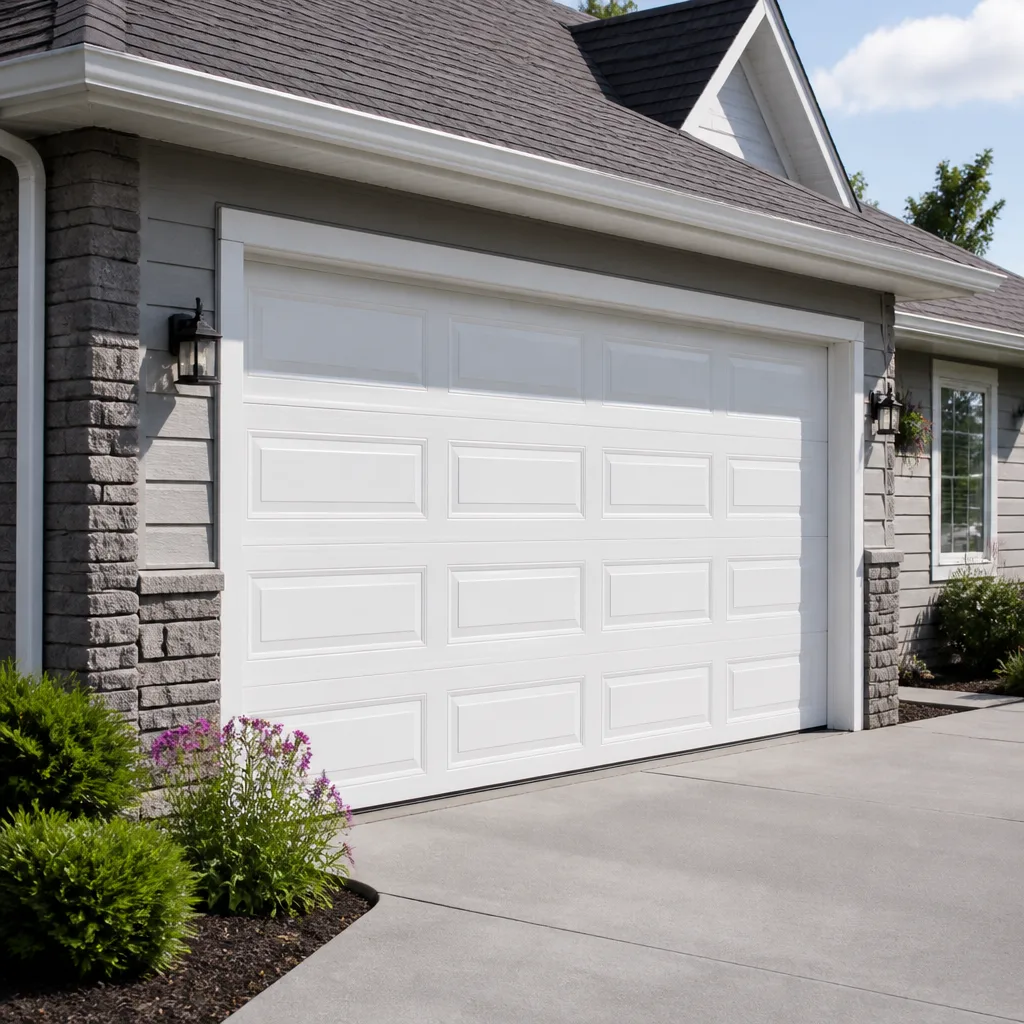 Raised-panel steel
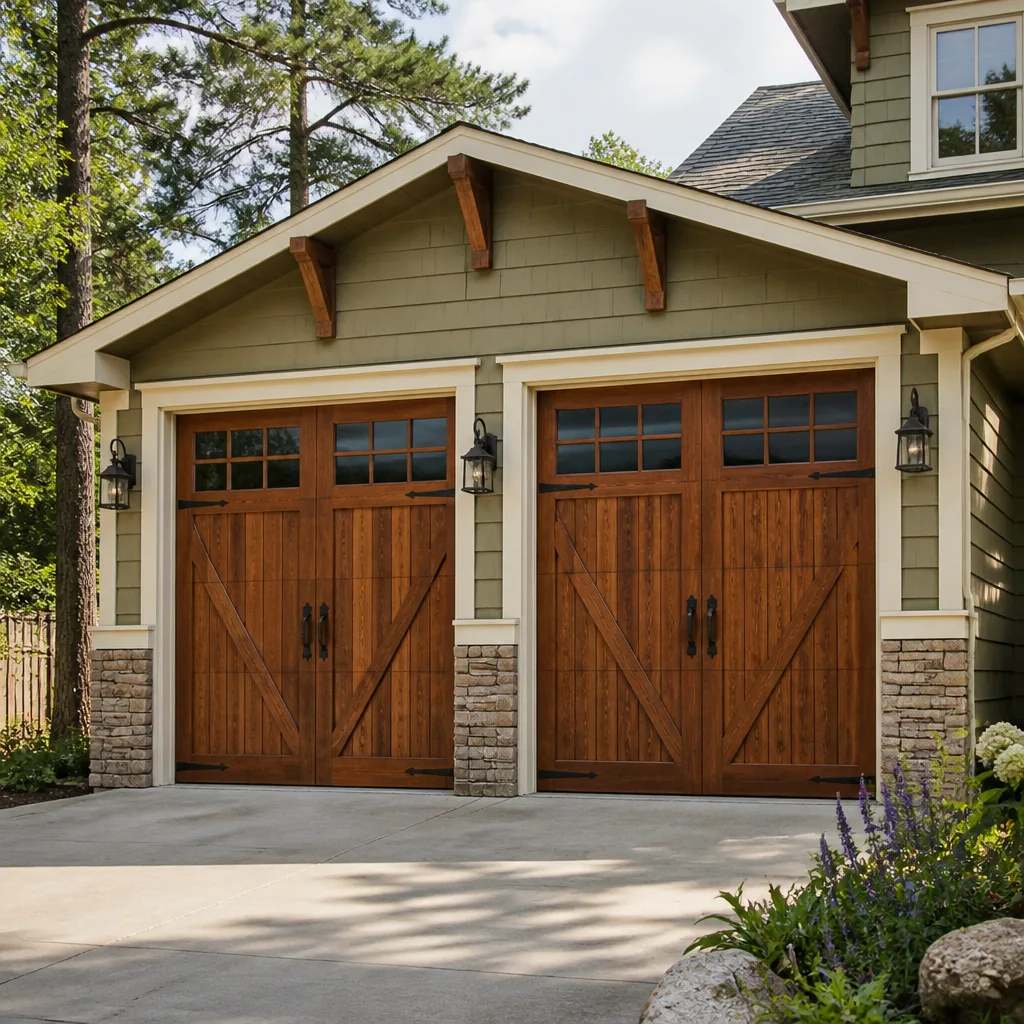 Carriage house
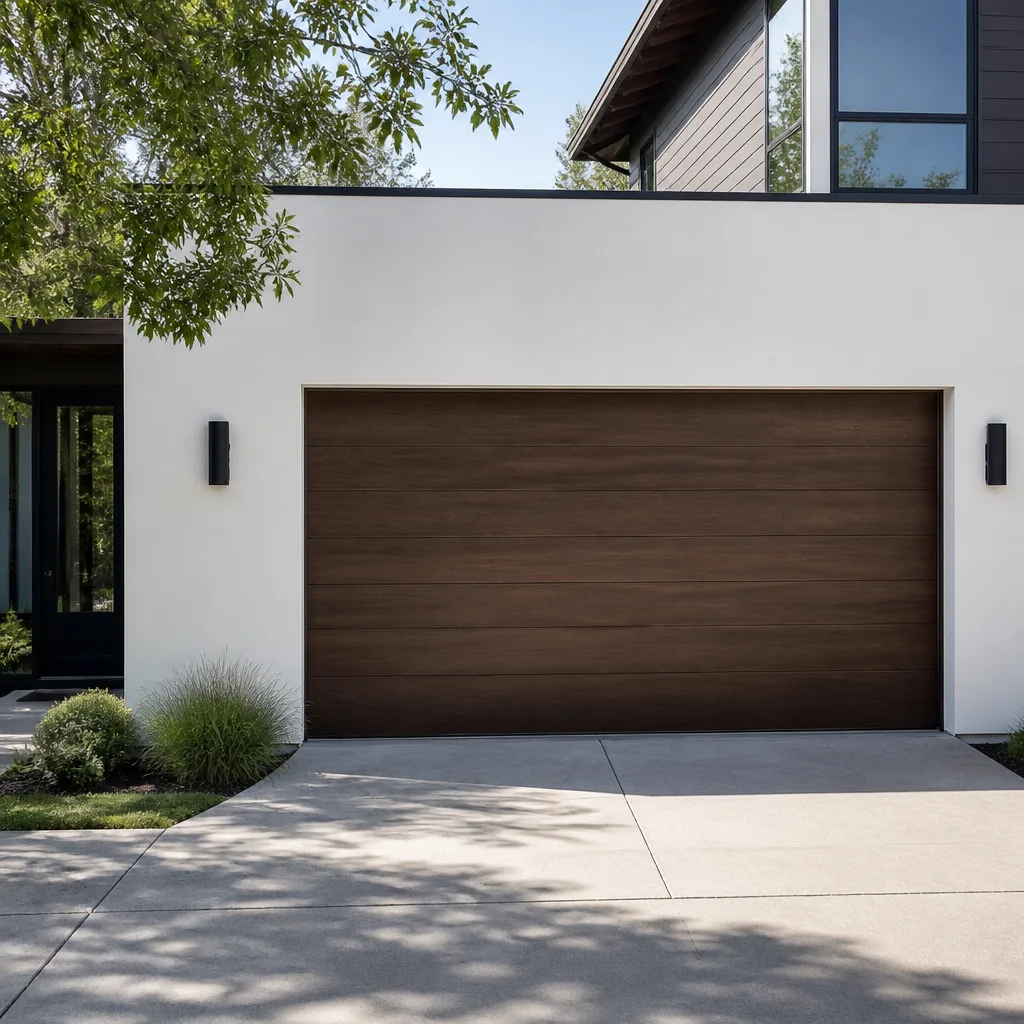 Modern flush
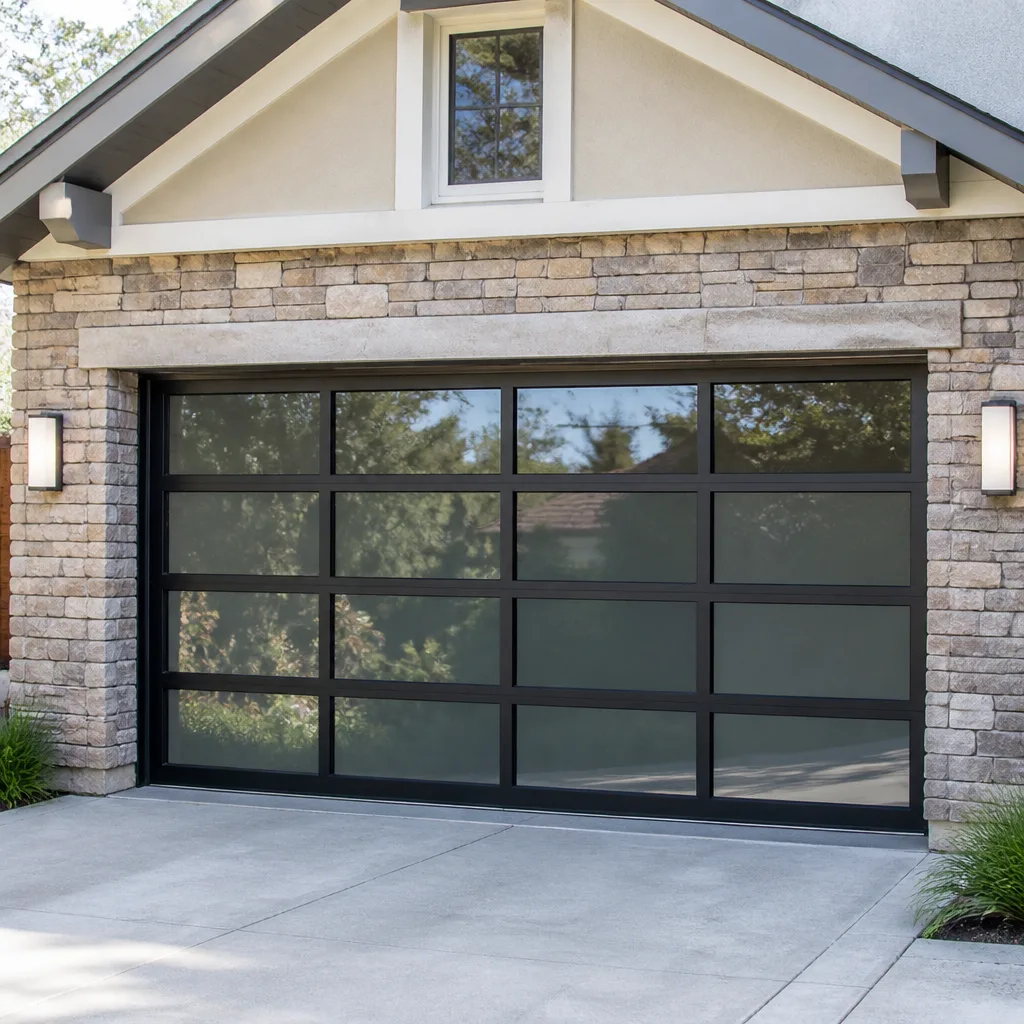 Full-view glass
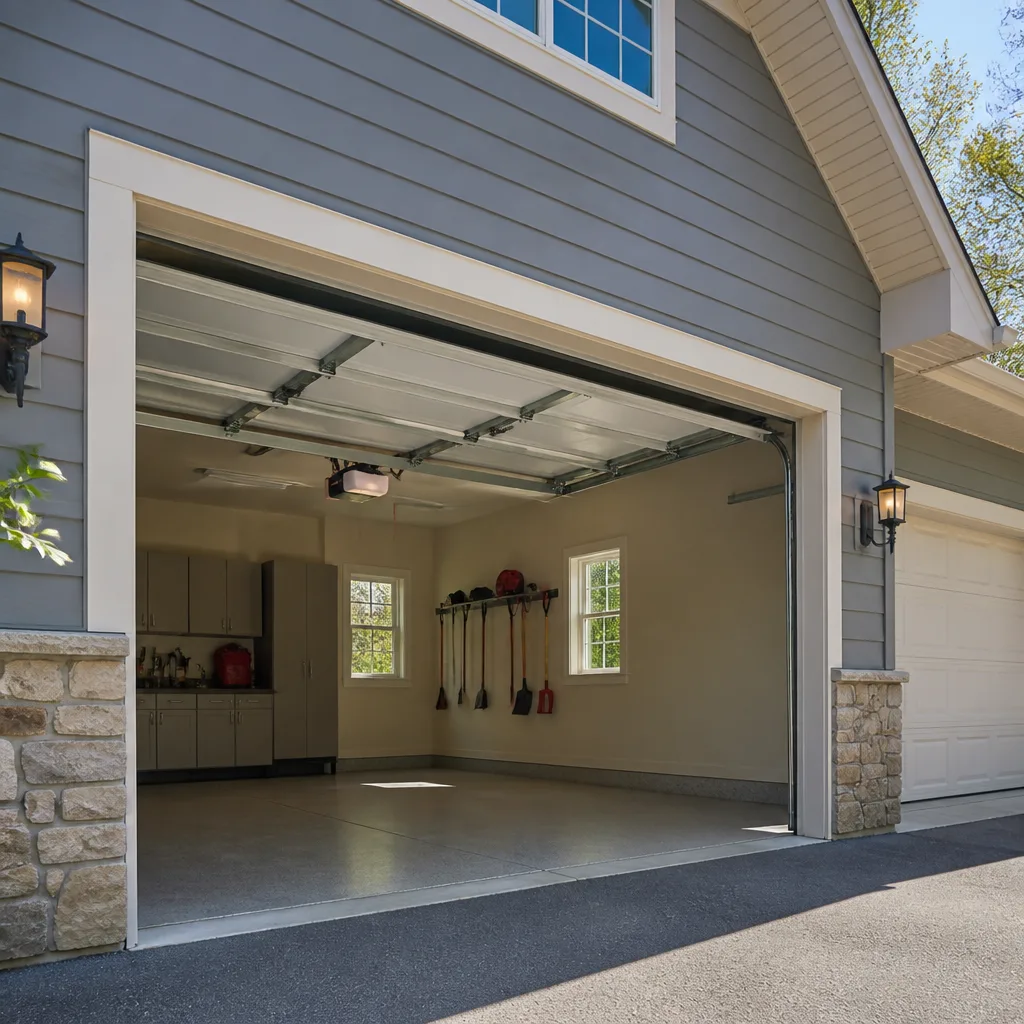 LiftMaster openers
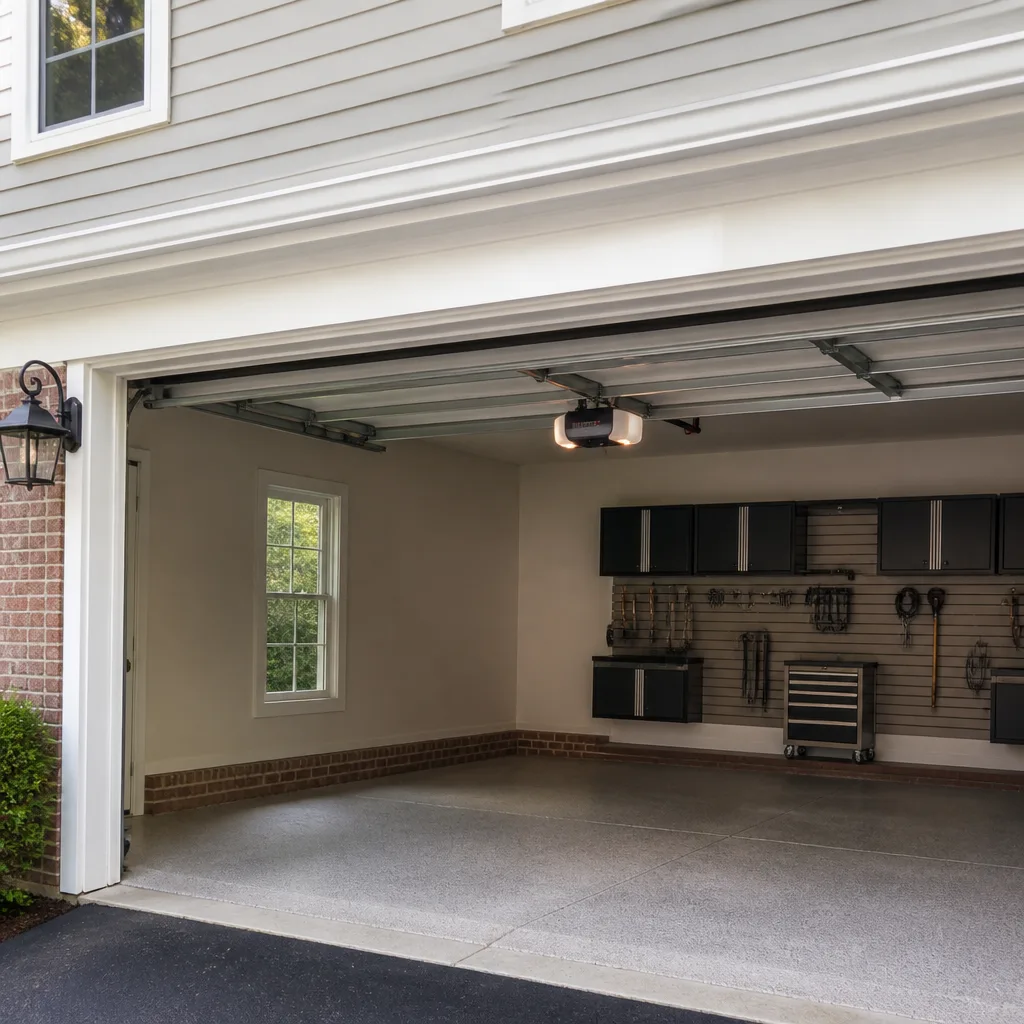 Chamberlain openers
Full 25-point door and opener safety check with every visit - springs, cables, rollers, tracks, and your LiftMaster or Chamberlain opener included
You get a price before we start. It does not change when the pro arrives.
Get your free estimateSeasonal Garage Door Care for Daytona Beach: Year-Round Homeowner’s Guide
Most seasonal garage door guides are written for places that get snow. They tell you to clear ice from the bottom seal in November and check for frost heave in March. That advice is useless in Daytona Beach. Our year doesn’t have four seasons in the northern sense. It has a storm-prep window in late spring, a long stretch of peak heat from July into September, a brief mild period around the holidays, and a humidity plateau that runs through most of the year. Garage door care here should follow that calendar. This guide walks through what to check and when, month by month, so your door keeps working through the heat, the storms, and the quiet stretches in between.
Quick Answer
The highest-value maintenance task for a Daytona Beach garage door happens in May and June: a storm-readiness inspection of bracing, bottom seals, and opener backup power before the first named storm. After that, watch for heat-related spring tension changes in July through September, do a post-storm inspection in October and November, and use the mild December through February window for cable and roller work. Homes closer to the beach and homes further west need different schedules because they see different corrosion timelines.
Styles & brands we work with
- Raised-panel steel
- Carriage house
- Modern flush
- Full-view glass
- LiftMaster openers
- Chamberlain openers
Table of Contents
- Why Daytona Beach Needs Its Own Garage Door Calendar
- May-June: The Storm-Readiness Inspection
- July-September: How Heat Affects Springs and Doors
- October-November: Post-Storm Inspection Protocol
- December-February: The Mild-Season Maintenance Window
- The Humidity Plateau: What Runs Year-Round
- East Side vs. West Side: Two Different Schedules
- The Monthly Five-Minute Check
Why Daytona Beach Needs Its Own Garage Door Calendar
A garage door is a mechanical system, and mechanical systems respond to their environment. In a cold climate, the stress comes from freeze-thaw cycles and road salt. In Daytona Beach, the stress comes from heat, humidity, and wind events. Those are different problems with different timing.
The heat matters more than most homeowners realize. A steel door in direct afternoon sun can get hot enough to be uncomfortable to touch, and that heat transfers into the torsion spring above it. Springs are tempered steel under constant tension. When they run hot for months, they lose some of that temper and the door starts to feel heavier. That’s why a door that worked fine in April can feel sluggish by August. It’s not your imagination, and it’s not the opener failing. It’s seasonal.
Humidity is the second factor. Daytona Beach sits in a humid subtropical climate, and that moisture works on hinges, rollers, cables, and bottom seals all year. The corrosion timeline isn’t the same for every home. A house closer to the Intracoastal or the beach sees more moisture in the air and more corrosion on exposed metal. A house further west, past I-95 in areas like LPGA or Ormond Beach, sees less. That’s why one schedule doesn’t fit every Daytona Beach home.
Wind is the third factor. Storm season runs June through November, and even a near-miss that doesn’t damage the door can shift it on its tracks. A door that closes fine the day before a wind event can bind a week later. Post-storm inspection catches that before it turns into a real repair.
The point is simple: a northern seasonal guide tells you to do different things in winter and summer. A Daytona Beach guide tells you to do different things before storm season, during peak heat, after wind events, and in the mild window. That’s the calendar this guide follows.
May-June: The Storm-Readiness Inspection
This is the single highest-return maintenance task on the Daytona Beach calendar, and almost no published seasonal guide mentions it. The reason is straightforward. Storm season starts in June. If your door fails during a storm, you’re dealing with an emergency repair when everyone else is too. If you inspect in May, you find the weak points while the weather is still calm and the schedule is open.
Here’s what a storm-readiness inspection covers:
- Bracing and reinforcement. Check that the door’s vertical and horizontal bracing is intact and fastened. Look at the brackets where the tracks attach to the wall. Loose fasteners are common after a few seasons of heat expansion and contraction.
- Bottom seal and weatherstripping. The bottom seal keeps wind-driven rain and debris out. If it’s cracked, torn, or pulling away from the door, replace it before storm season. A failed seal lets water in and can also let wind pressure under the door.
- Opener backup power. Most modern openers, including LiftMaster and Chamberlain models, have a battery backup that lets the door operate during a power outage. Test it in May. If the battery is dead, you won’t find out until the power is already out.
- Track alignment. Run the door up and down and watch the tracks. Any wobble, binding, or gap between the rollers and the track means the door isn’t running true. A door that isn’t running true is more likely to come off track under wind load.
- Roller and hinge condition. Worn rollers and loose hinges are the first things to fail under stress. Check them while you’re already looking at the tracks.
- Spring condition. Look at the torsion spring above the door. If it’s stretched, gapped, or showing rust, it’s on its way out. Spring work is high-tension and genuinely dangerous, so this is a visual check only. Don’t try to adjust or replace it yourself.
If anything on that list looks wrong, get it fixed in May or early June. The point of the inspection is to find the problems before the season finds them for you. If you’re not comfortable on a ladder or you don’t know what “running true” looks like, this is the inspection to have a specialist do. We handle garage door repair across Daytona Beach, and a spring check is part of every storm-readiness visit.
July-September: How Heat Affects Springs and Doors
If your garage door feels heavier in July and August than it did in spring, that’s a real thing and it has a specific cause. It’s not the opener getting weak, and it’s not the door suddenly getting heavier. It’s the spring losing tension under sustained heat.
Torsion springs are made of tempered steel and are under constant tension. Heat affects temper. When a spring runs hot for weeks, it relaxes slightly, and the door it’s supposed to balance feels heavier as a result. The opener then has to work harder to lift a door that used to balance easily. Left alone, that extra load shows up as a straining opener, a door that reverses partway up, or a spring that eventually breaks. We see this pattern every summer in Daytona Beach.
What you can check yourself during peak heat:
- Listen to the opener. A healthy opener runs smoothly and quietly. A strained one sounds labored, grinds, or hesitates at the start of the lift.
- Test the balance. With the door closed, pull the release cord to disconnect the opener, then lift the door by hand. A balanced door should lift easily and stay put at about halfway. If it falls or feels very heavy, the spring is the issue.
- Watch the door’s travel. If it reverses partway up or stops before it’s fully open, the opener is meeting resistance it shouldn’t. That’s a spring or track problem, not an opener problem.
- Check for rust on the spring. Rust on a spring is a warning sign. Springs rust from the inside out, and a rusty spring is closer to failing than a clean one.
- Keep the tracks and rollers lubricated. A light application of a garage-door-specific lubricant once during peak heat helps the door run smoother and reduces strain on the opener.
Here’s the important caveat. Torsion springs are under extreme tension and can cause serious injury if handled wrong. Never try to adjust, unwind, or replace a torsion spring yourself. That’s work for a trained technician with the right tools. If your balance test shows the door is heavy, call for garage door spring repair rather than trying to fix it. Our technicians have up to 13 years of experience with high-tension spring work, and that experience is the whole reason this isn’t a DIY job.
October-November: Post-Storm Inspection Protocol
Storm season winds down in November, but that’s exactly when a lot of homes that “didn’t have any damage” find out they did. A near-miss or a glancing wind event can shift a door on its tracks without leaving a visible mark. The door closed fine the day before, then a week later it’s binding or the opener is straining. That’s a post-storm inspection problem.
Here’s the protocol we recommend for any Daytona Beach home that experienced a wind event, even one that didn’t look serious:
- Look at the tracks first. Wind load pushes on the door, and the door pushes on the tracks. Check that both vertical tracks are plumb and that the horizontal tracks haven’t shifted. A door that’s off-track by even a fraction of an inch will bind.
- Check the door for panel bends. Look along each panel edge for a bend or a gap that wasn’t there before. A bent panel can rub against the tracks even if the tracks are fine.
- Test the reversal safety feature. Place a small object in the door’s path and run the door down. It should reverse on contact. If it doesn’t, the safety system needs attention before the door is used again.
- Inspect the hinges and roller brackets. Wind events loosen fasteners. Check that the hinges are tight against the panel and that the roller brackets haven’t bent.
- Check the bottom seal for displacement. A wind event can push the bottom seal out of its channel or tear it. Look at the full length of the seal, not just the middle.
- Run the full open-close cycle and listen. Any new noise, grinding, or hesitation is a signal that something shifted.
If the door passes all six checks, you’re in good shape for the off-season. If any of them fail, book the repair before December. The mild window that follows is the best time of year to fix the problem, and it’s also the best time to have an opener checked if it’s been struggling through summer heat. If the opener is the issue, we handle garage door opener repair on all the major brands.
December-February: The Mild-Season Maintenance Window
Daytona Beach winters are mild, and that’s exactly what makes December through February the best time of year for the maintenance that requires the door to be out of commission for part of a day. Cable and roller replacement is the main one. Both are wear items, both degrade faster in a humid climate, and both are easier to schedule when the weather isn’t pushing everyone to call at once.
Here’s the case for doing that work in the mild window:
- It’s not peak demand. During storm season and peak heat, schedules fill up fast. The mild months are when you can book the work on your preferred timing rather than waiting for the next opening.
- The door is easier to test. Mild weather makes it easy to run the door through multiple open-close cycles and verify that the new cables and rollers are seated correctly.
- Cables degrade silently. A steel cable that’s starting to fray doesn’t announce itself. Replacing cables during the mild window means you start storm season with new ones rather than with cables that have been through another humid summer.
- Rollers are the cheapest insurance on the door. Worn rollers are a common cause of binding, noise, and opener strain. Replacing them in the mild window removes a major source of summer problems.
While you’re in the mild window, it’s also a good time to do a full inspection of the door’s parts as a system: springs, cables, rollers, hinges, tracks, seals, and opener. That inspection gives you a clear picture of what needs attention before the next storm season. If the inspection turns up spring issues, handle them now rather than waiting for August. Spring cable work is high-tension, so it’s another one to leave to a technician. We work on all the major brands, and our specialists handle Craftsman and Raynor systems along with the rest.
The Humidity Plateau: What Runs Year-Round
Daytona Beach doesn’t have a dry season and a wet season the way some places do. It has a humidity plateau that runs through most of the year, with a few drier months in the spring. That means some maintenance items aren’t seasonal at all. They need attention every month.
- Lubrication. Garage door tracks, rollers, and hinges benefit from a light application of a garage-door-specific lubricant. In Daytona Beach humidity, metal parts need it more often than in a dry climate. Once a month during the hot stretch is a reasonable pace.
- Rust inspection. Look at the springs, cables, and any exposed fasteners for rust. Rust on a spring is a serious warning sign. Rust on a hinge is a lubrication issue. Rust on a cable is a replacement signal.
- Bottom seal condition. The bottom seal is the door’s main defense against humidity, debris, and pests. Check it monthly for cracking, tearing, or separation from the door. A failing seal lets humid air into the garage and lets the seal degrade faster.
- Opener performance. Listen to the opener every month. Any new noise, hesitation, or grinding is worth investigating before it becomes a repair.
- Track alignment. A quick visual check of the tracks after any wind event or any time the door sounds different.
None of these take more than ten minutes. The point is consistency. A five-minute check every month catches the small problems before they turn into the kind of repair that takes the door out of service. Our team works on Chamberlain and LiftMaster opener systems as well as the rest, so if a monthly check turns up something with the opener, we can diagnose it quickly.
East Side vs. West Side: Two Different Schedules
Not every Daytona Beach home needs the same maintenance schedule, and the biggest variable is where your home sits relative to the coast. Homes closer to the Intracoastal and the beach see more moisture in the air and a faster corrosion timeline on exposed metal parts. Homes further west, in areas like LPGA or out toward Ormond Beach, see less humidity and a slower timeline.
What that means in practice:
- Homes near the water: Rust inspection every month, not just during the humid stretch. Springs and cables need closer watching. Seal replacement is more frequent because the seal is exposed to more moisture.
- Homes farther west: A quarterly rust inspection is usually enough. Lubrication is still monthly during the hot stretch, but the pace can be a bit more relaxed than on the east side.
- Every home: The May-June storm inspection is the same regardless of location. That one isn’t optional.
The other variable is the door itself. A steel door shows corrosion differently than a wood door, and a Raynor steel door may need a different attention pattern than a Craftsman model. The general principles hold, but a technician who knows your specific door can tell you what to watch for. That’s part of why we work on the eight major brands. It means we can give you a schedule that fits the equipment you actually have rather than a generic one that fits nothing in particular.
The Monthly Five-Minute Check
This is the short version. Run through this list once a month and you’ll catch most problems before they turn into repairs.
- Listen to the door as it opens and closes. Any new noise, grinding, or hesitation is worth investigating.
- Look at the tracks. Are they straight, clear of debris, and firmly attached to the wall?
- Check the bottom seal. Look for cracking, tearing, or separation along the full length of the seal.
- Test the reversal safety feature. Place a small object in the door’s path and verify that the door reverses on contact.
- Look at the springs. Visual check only. Rust, stretching, or gapping are all warning signs.
- Test the opener backup battery. Most modern openers have a battery backup. Test it monthly during storm season.
- Run the door through a full cycle. Watch for anything that binds, wobbles, or sounds different than last month.
That’s it. Five minutes, once a month. The May-June storm inspection is the deep check. The monthly list is the early-warning system. Together they keep the door working through the heat and storm seasons without a surprise failure. If any item on the list turns up something you’re not comfortable diagnosing, that’s the moment to call.
Common Mistakes to Avoid
- Waiting until storm season to check anything. The whole point of the May-June window is that it comes before the season starts. If you wait until the first named storm is in the forecast, you’re already behind schedule.
- Ignoring a heavy-feeling door in the summer. A door that feels heavier in July is telling you something about the spring. Ignoring it through the whole summer usually means a spring replacement instead of a tension check.
- Assuming a door that “looks fine” after a storm is fine. Wind events shift doors off their tracks without leaving a visible mark. The door can close fine one week and bind the next. Run the post-storm protocol regardless of how the door looks.
- Trying to adjust a torsion spring. This is the most dangerous mistake a homeowner can make with a garage door. Torsion springs are under extreme tension. Never adjust, unwind, or replace one yourself.
- Lubricating with the wrong product. WD-40 and general-purpose oils aren’t right for garage door tracks. Use a garage-door-specific lubricant. The wrong product attracts dust and grime that makes the problem worse.
- Skipping the mild-season window. December through February is the easiest time of year to get cable and roller work done in Daytona Beach. Skipping it means starting storm season with the same worn parts.
- Ignoring opener strain. An opener that’s working harder than it should in peak heat is a sign of a spring problem, not an opener problem. Assuming the opener is failing and replacing it is an expensive way to miss the actual fix.
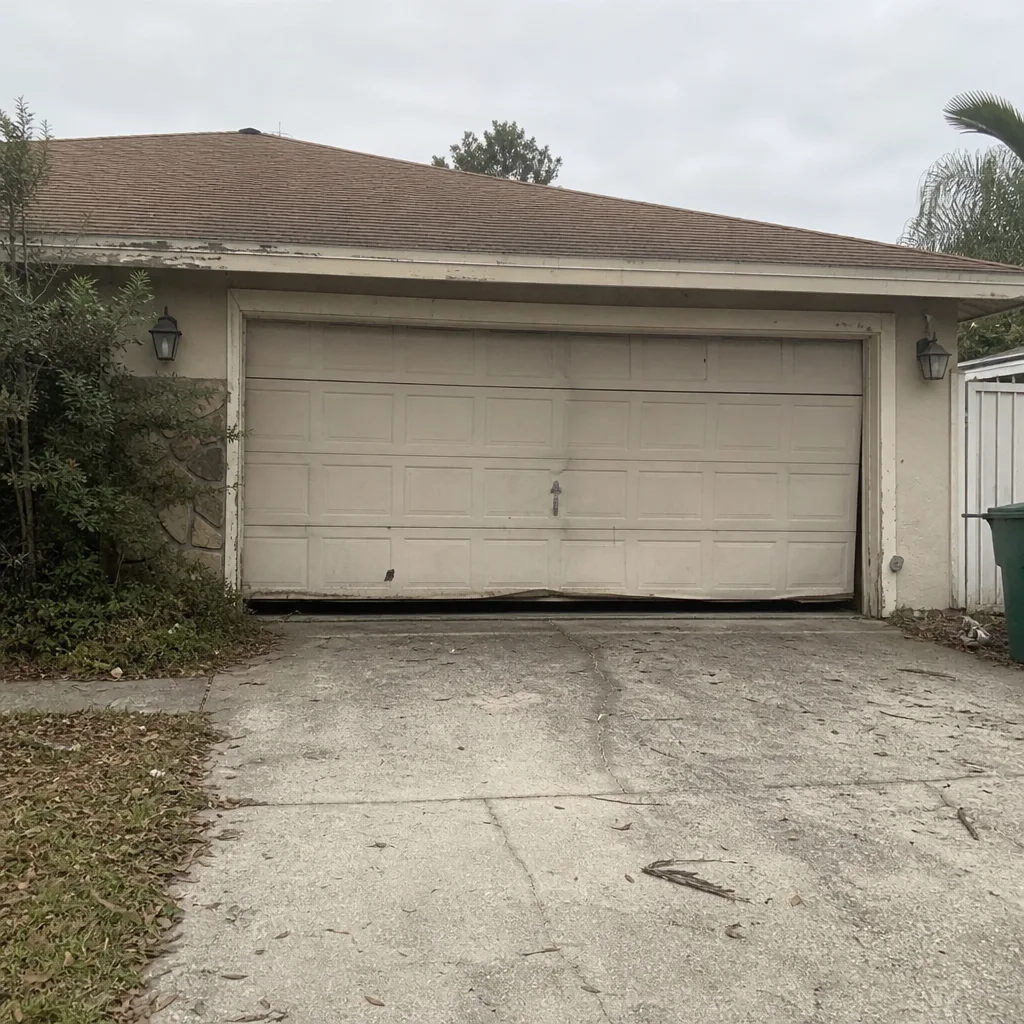
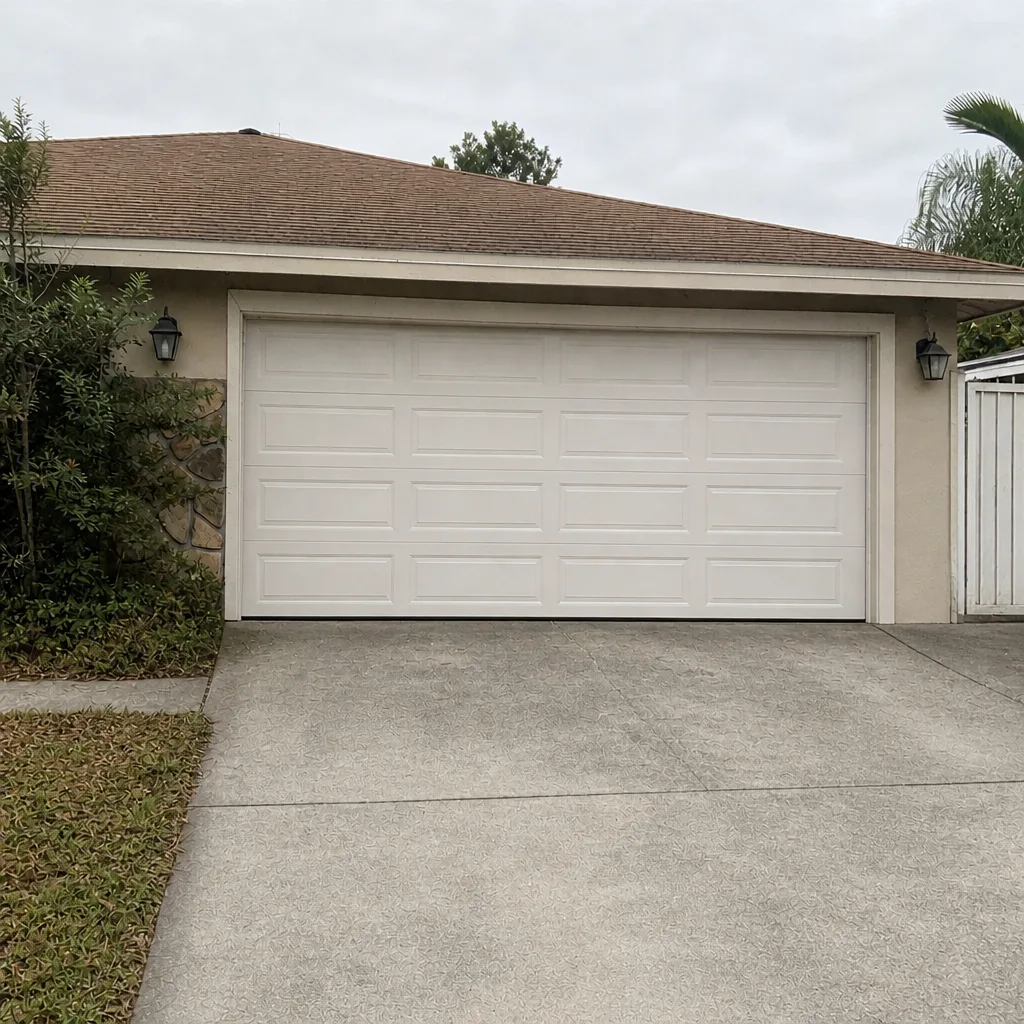
See the difference
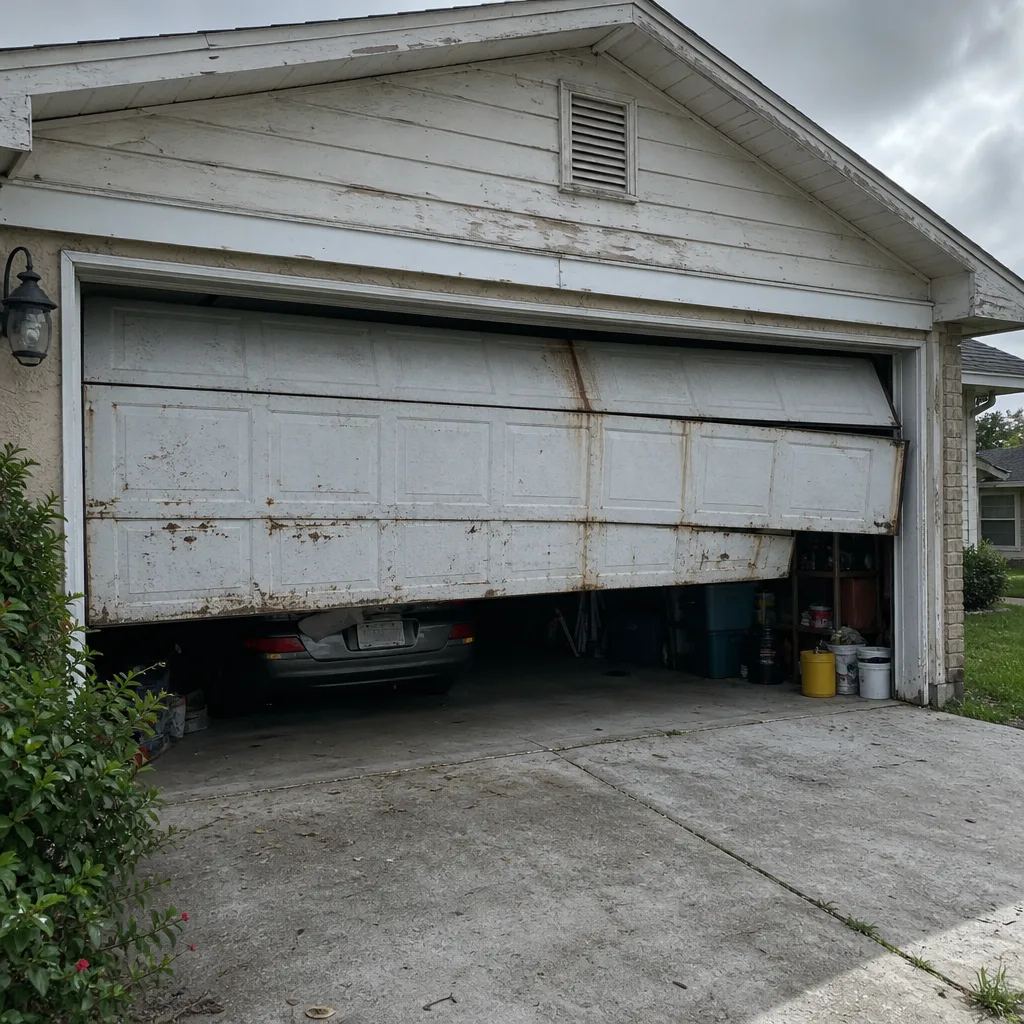 Before
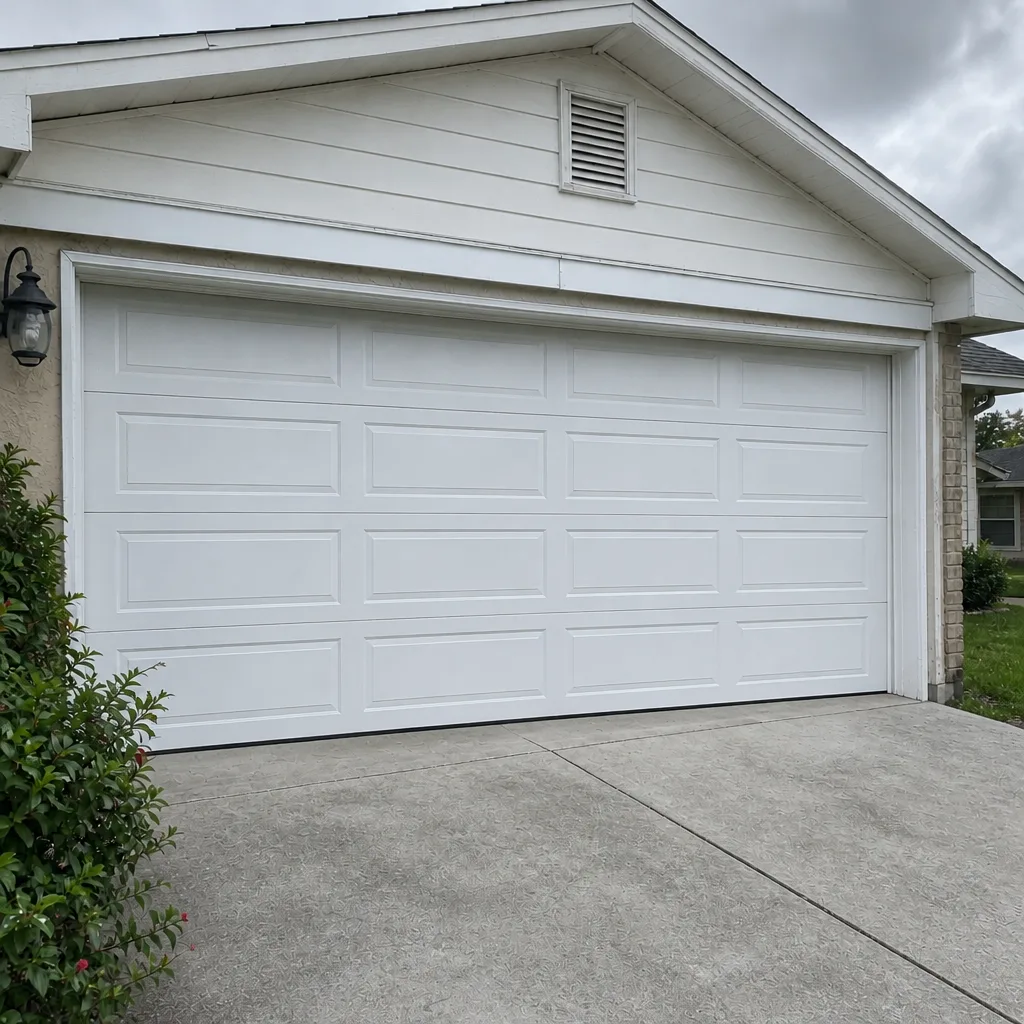 After
 Before
 After
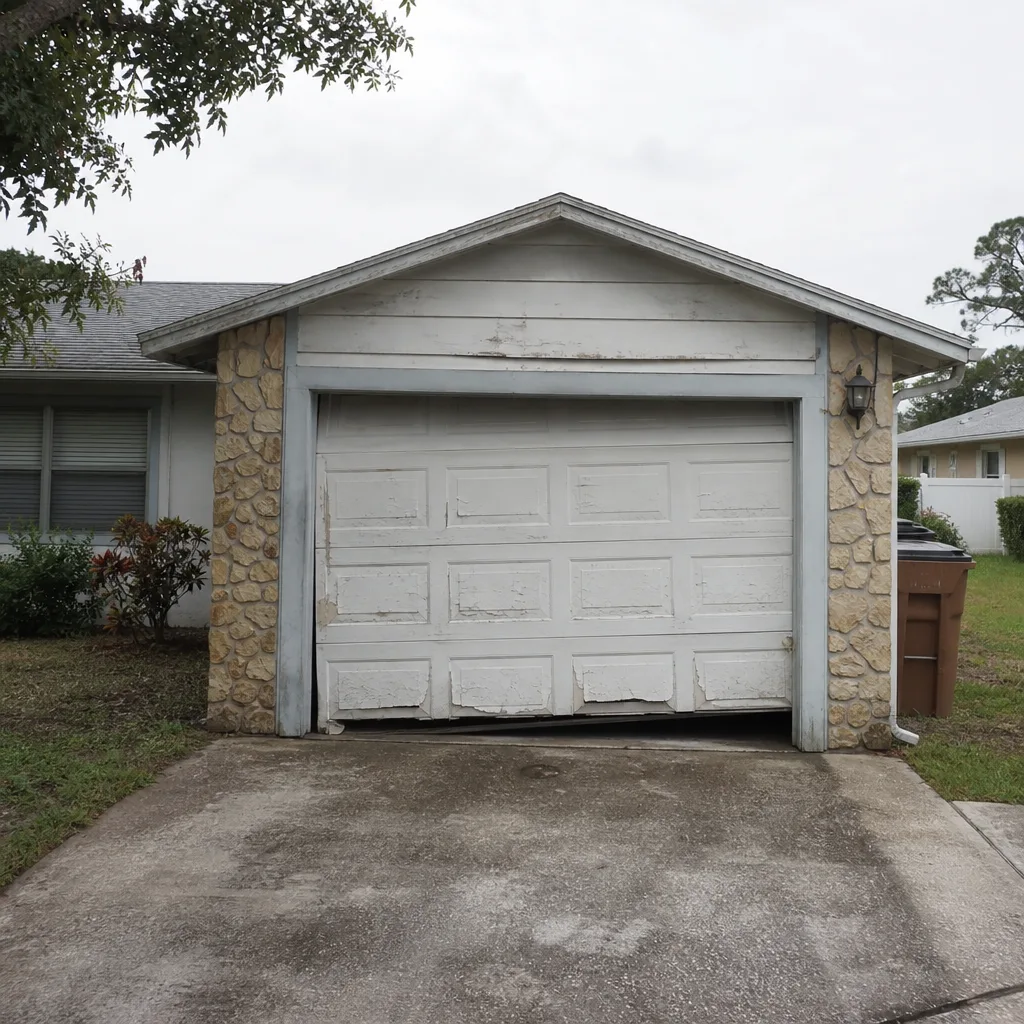 Before
 After
When to Call a Professional
Some of this guide is designed for you to do yourself. The monthly five-minute check is one. The post-storm visual inspection is another. But there’s a clear line between checking the door and working on it. That line runs through springs, cables, and torsion hardware.
Call a professional if any of the following is true:
- The door feels heavy when you pull the release and lift it by hand.
- You see rust, stretching, or gapping on a torsion spring.
- The opener strains, grinds, hesitates, or reverses partway through a cycle.
- The door binds, wobbles, or comes off its tracks.
- You’ve had a wind event and the door isn’t behaving the way it did before.
- The door fails to reverse when it meets an obstacle.
- A cable looks frayed or is off its drum.
Daytona Beach Garage Door Repair Co offers free estimates in Daytona Beach. Call (888) 848-8460. We answer 24/7. Fast dispatch from 7am to 7pm, Sunday through Friday. The price is quoted and agreed before any work starts, and the written estimate sets the final price.
Frequently Asked Questions
May and June are the best months for the highest-value inspection, because they come before storm season starts. The Dec through Feb window is the best time for cable and roller replacement, because the schedule is open and the door is easy to test through multiple cycles. The monthly check runs year-round regardless of season. Call (888) 848-8460 for an exact quote or to book an inspection. Estimates are free.
Heat affects torsion spring tension, so the spring balances less of the door’s weight in July and August than it did in April. The door isn’t actually heavier, but it feels that way because the spring is doing less work. If the door feels significantly heavier, have the spring checked rather than assuming the opener is the problem. Call (888) 848-8460 to schedule a spring check. Estimates are free.
Yes, if the storm had significant wind, even a near-miss. A wind event can shift the door on its tracks without leaving a visible mark, and the problem often shows up a week or two later as binding or opener strain. Run the post-storm checklist in this guide after any wind event. If anything looks wrong, call (888) 848-8460 for an exact quote. Estimates are free.
Once a month during the hot stretch from roughly May through September, and every other month or so during the milder months. Humidity is the main reason. Metal parts need lubrication more often in Daytona Beach than in a drier climate. Use a garage-door-specific lubricant, not a general-purpose oil or WD-40. If the door is noisy even after lubricating, that’s a reason to have it checked. Call (888) 848-8460. Estimates are free.
That’s the classic post-storm pattern. A wind event shifted the door on its tracks, but the shift was small enough that it didn’t cause a problem immediately. Over the next week or two, the door starts binding as the misalignment shows up in normal use. Have the tracks and hinges checked before using the door again. Call (888) 848-8460 for an exact quote. Estimates are free.
The local professional we connect you with is licensed and insured as their state requires. Our technicians have up to 13 years of experience, and we work on all eight major garage door brands. Spring and cable work is high-tension, so it’s always handled by a trained technician rather than a general handyman. Call (888) 848-8460 for an exact quote. Estimates are free.
You can do the visual parts: checking the tracks, the bottom seal, the bracing, and the opener backup battery. You should not check the springs by hand or attempt any spring work. If anything on the visual check looks wrong, or if the door feels heavy when you test it, call (888) 848-8460. Estimates are free. For the full inspection, especially before storm season, having a specialist do it catches things the visual check misses. We’re happy to come look at your door rather than watch you guess at it.
Yes, over time. An opener that’s working against a heavier door runs longer and hotter on every cycle, which shortens its life. If the door feels heavy in peak heat, get it checked before the opener pays for it. Call (888) 848-8460 for an exact quote. Estimates are free.
The Bottom Line
Daytona Beach doesn’t need a northern seasonal garage door guide. It needs a calendar built around storm prep in May and June, spring awareness through peak heat, post-storm checks in October and November, and the mild window in December through February for cable and roller work. The monthly five-minute check runs on top of all of it. Homes on the east side near the water need a tighter rust check than homes farther west. If anything on this list turns up a spring, cable, or opener issue, don’t wait for the next season to find out whether it’s serious. Call (888) 848-8460 for a free estimate. We answer 24/7. Fast dispatch from 7am to 7pm, Sunday through Friday. The price is quoted and agreed before any work starts, and the written estimate sets the final price. One trade, done right. We work on your brand. And when you’d rather have a specialist look at the door than guess at it yourself, you can find us at Daytona Beach Garage Door Repair Co.
Written by the team at Daytona Beach Garage Door Repair Co.