
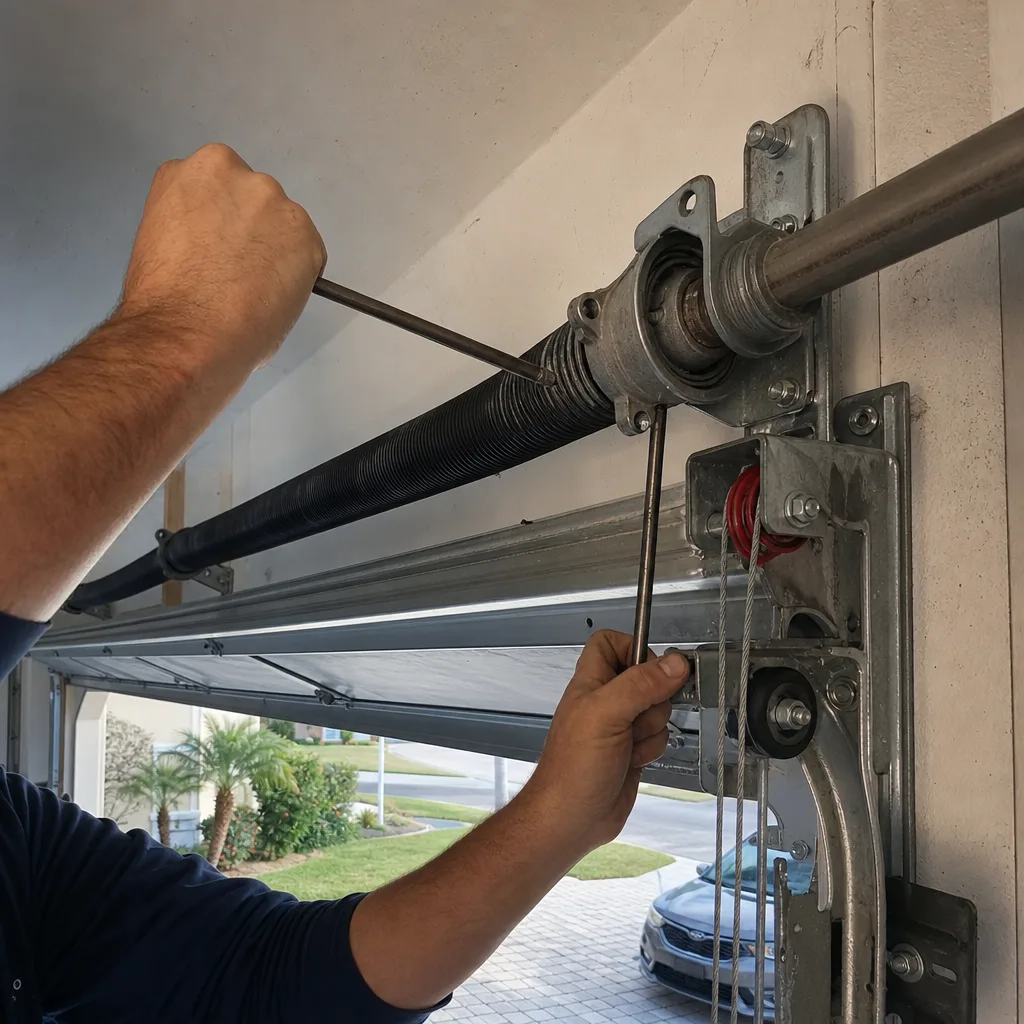
Last updated November 20, 2026
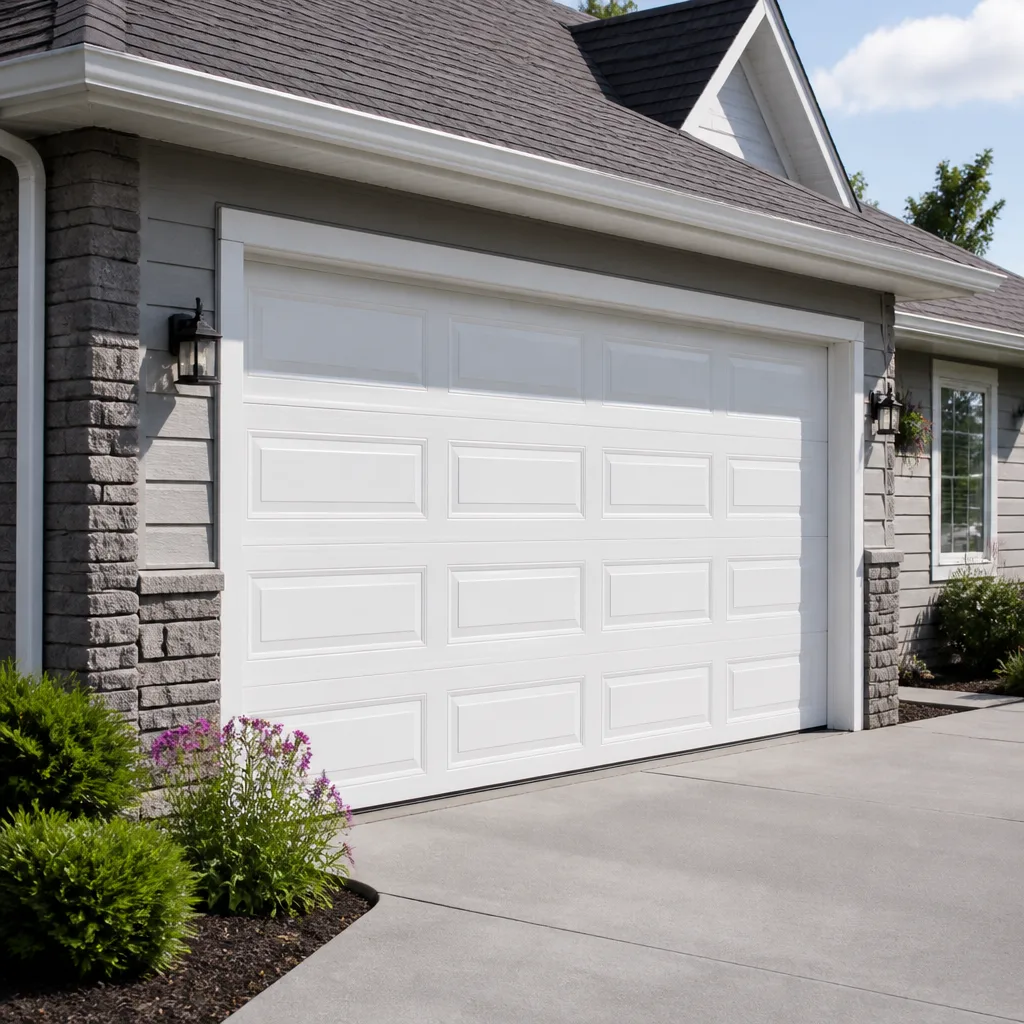 Raised-panel steel
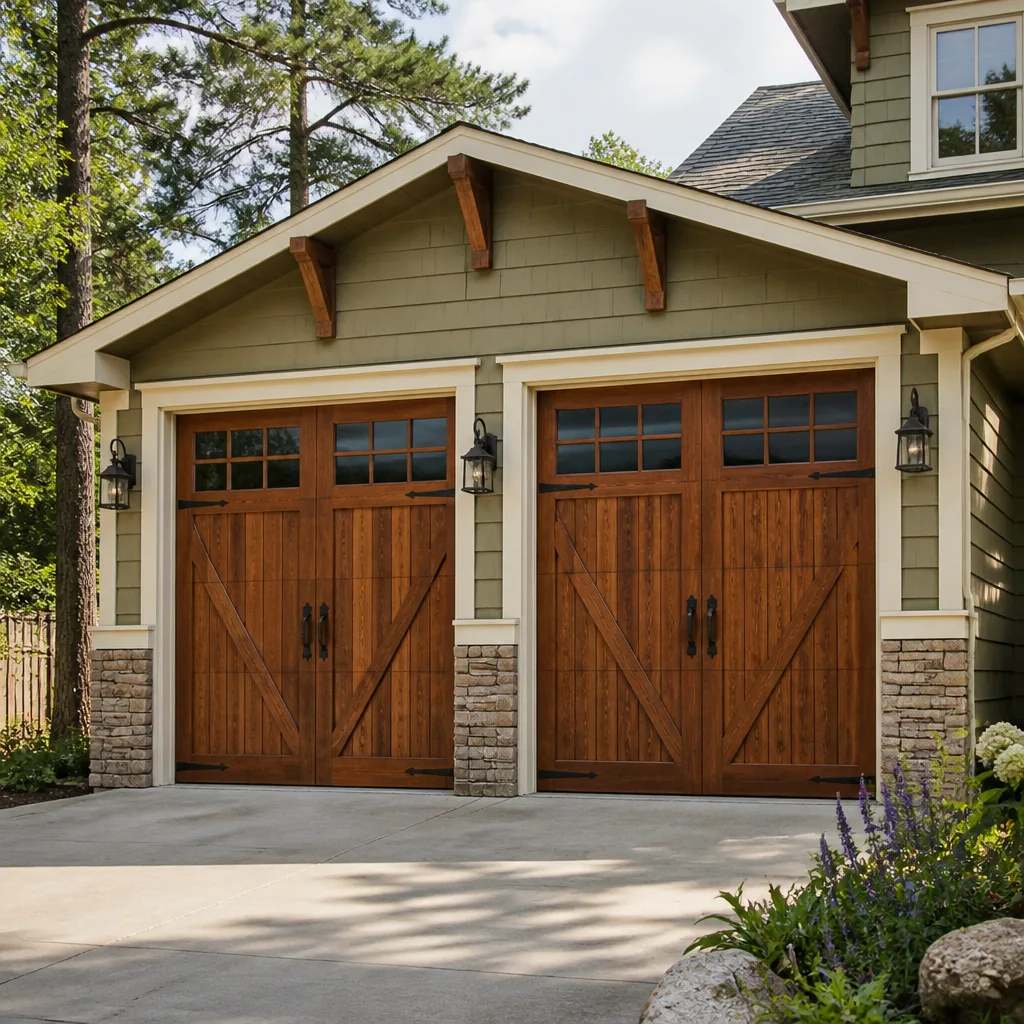 Carriage house
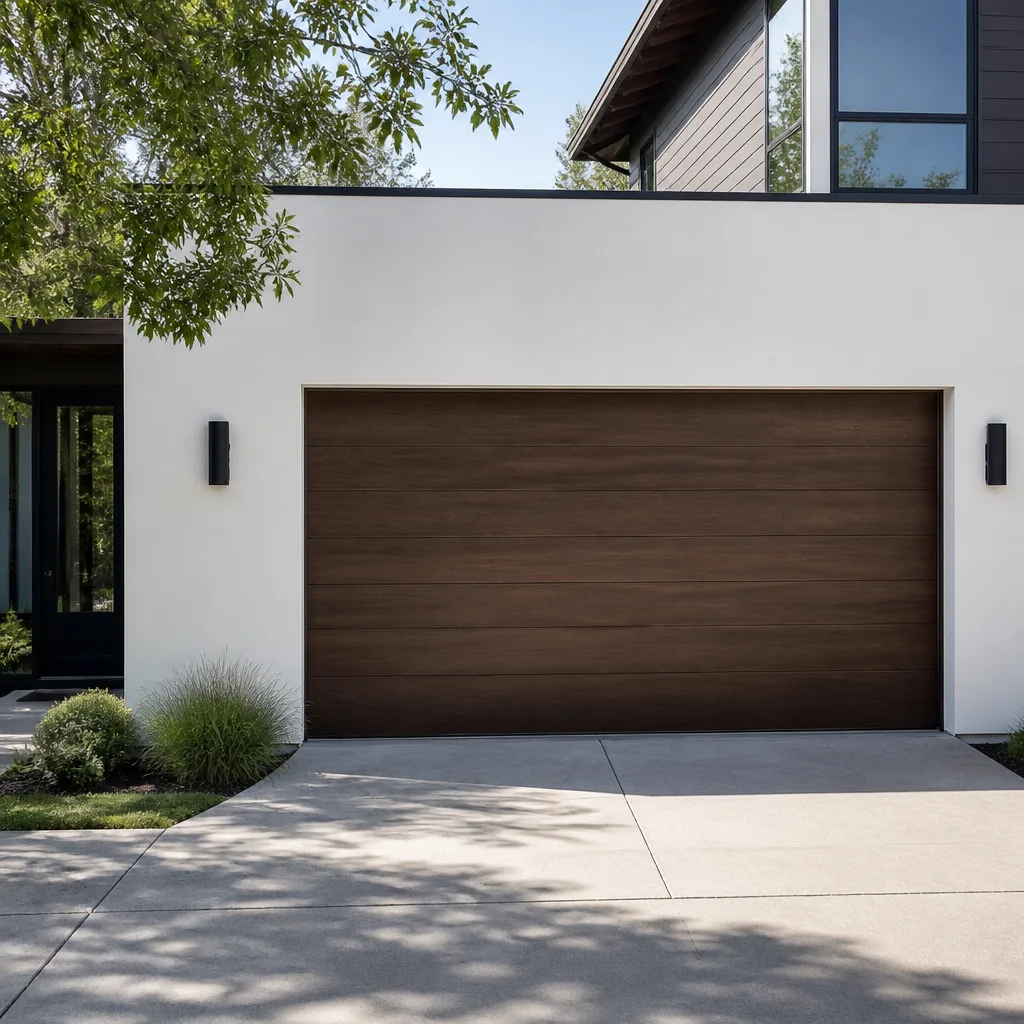 Modern flush
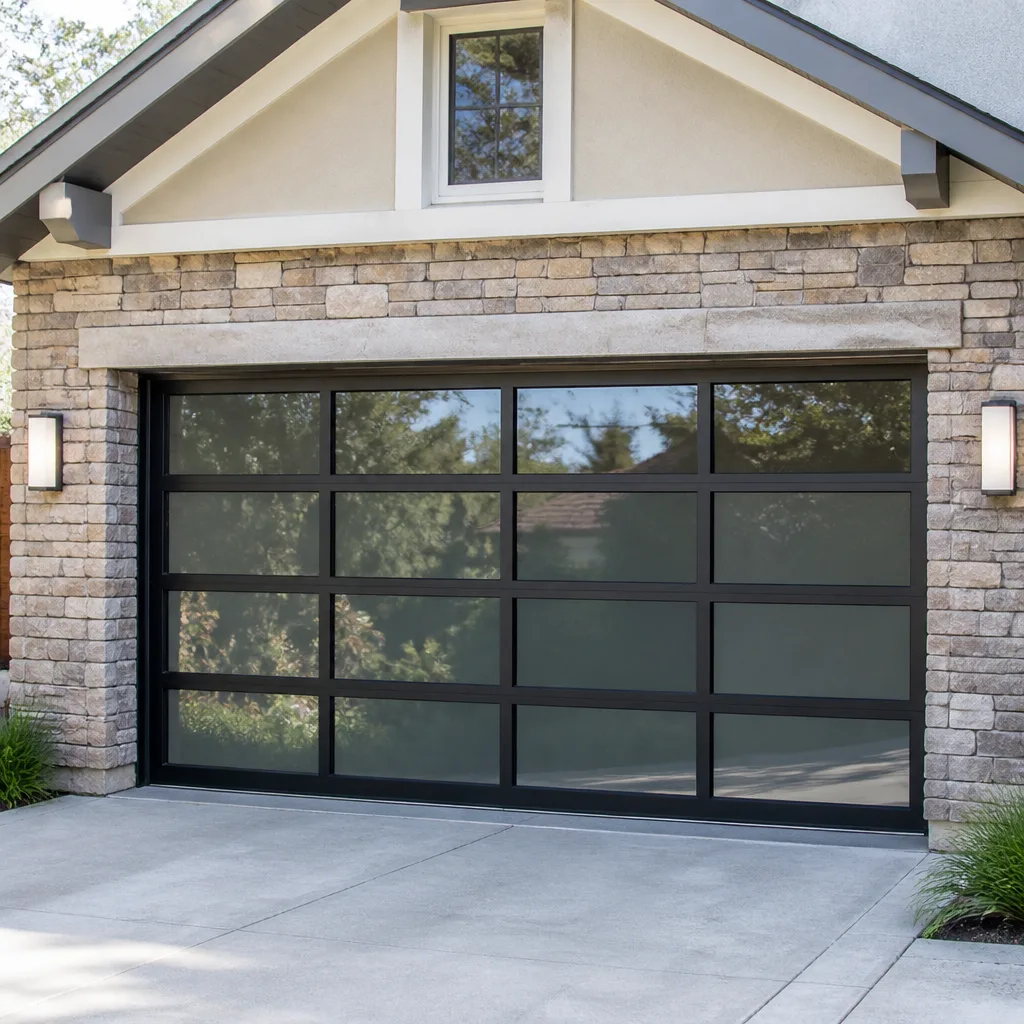 Full-view glass
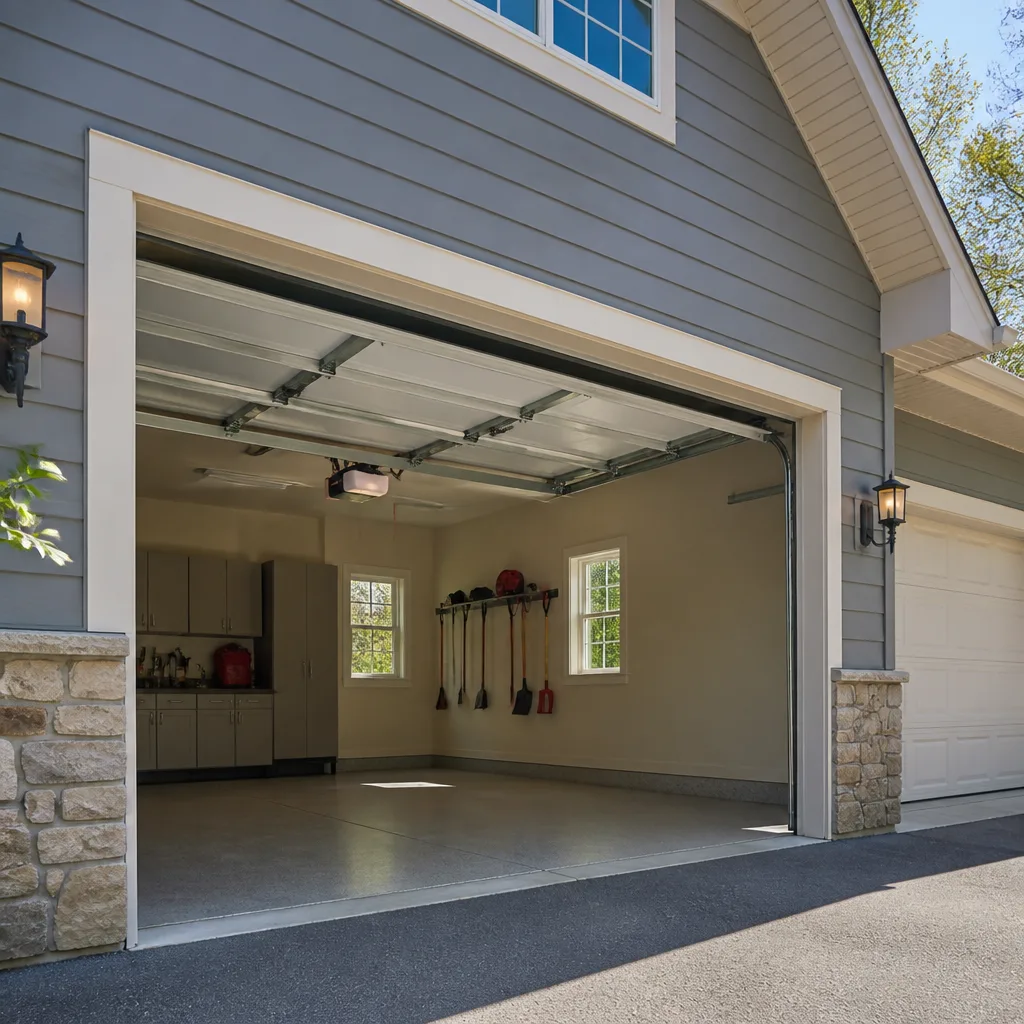 LiftMaster openers
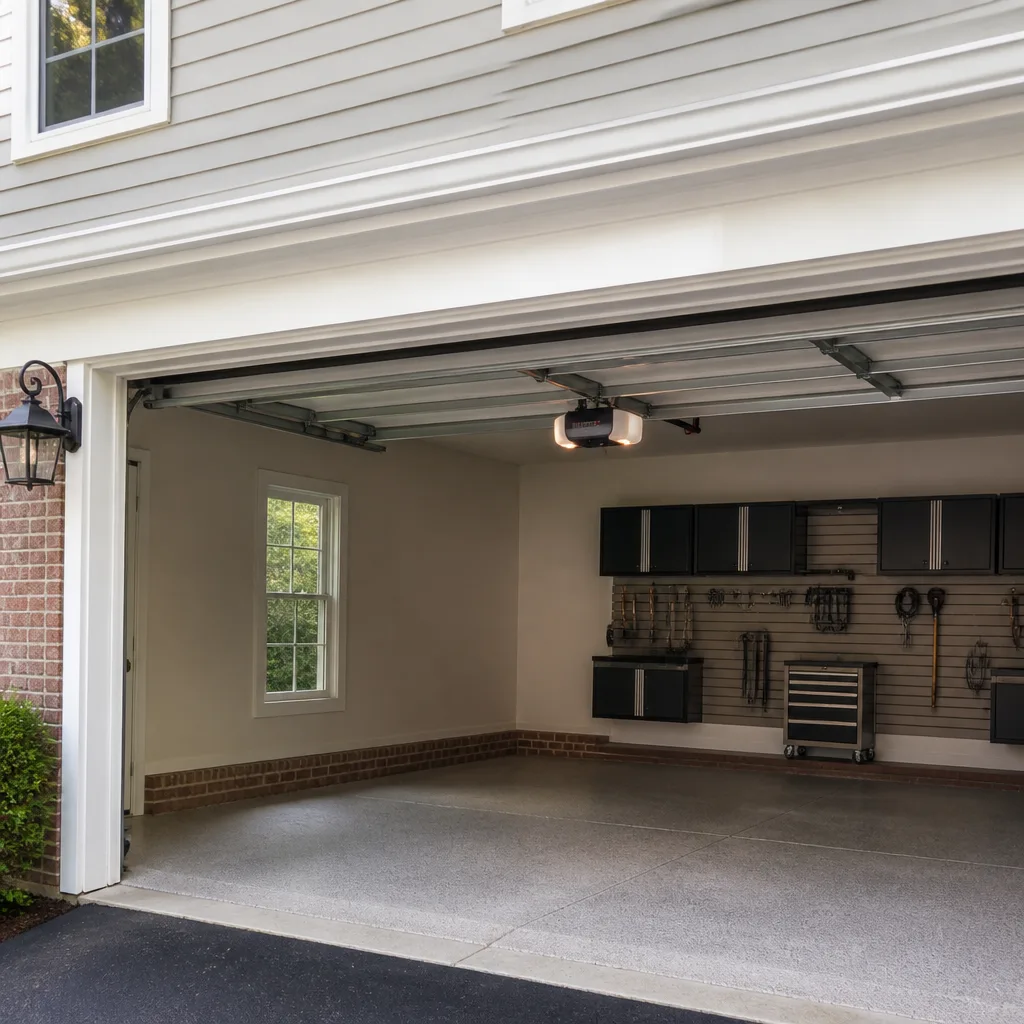 Chamberlain openers
Full 25-point door and opener safety check with every visit - springs, cables, rollers, tracks, and your LiftMaster or Chamberlain opener included
You get a price before we start. It does not change when the pro arrives.
Get your free estimateGarage Door Permits, Codes & Inspections in Daytona Beach, FL: What You Need to Know
Here’s a misconception we run into a lot. Most Daytona Beach homeowners assume that swapping out a garage door is like repainting a fence – purely cosmetic, no paperwork involved. In unincorporated Volusia County and much of the city, that assumption doesn’t hold. A replacement door is a structural and wind-load-bearing component of your home, and the code treats it that way. Do the work without a permit and you can find yourself ordered to re-inspect at the worst possible moment: when you’re selling the house. This guide breaks down when a permit is actually required, how to check your address, what inspectors look for, and why insurance claims get complicated when the door was never signed off.
Quick Answer
In Daytona Beach and Volusia County, replacing a garage door almost always requires a permit because the door is a wind-load-rated building component under the Florida Building Code. Straight repairs – a broken spring, a snapped cable, a dead opener – typically don’t require one. The value threshold and exact scope rules can vary by jurisdiction, so the reliable move is to confirm with the county or city building department for your specific address before work starts. Checking takes minutes online.
Styles & brands we work with
- Raised-panel steel
- Carriage house
- Modern flush
- Full-view glass
- LiftMaster openers
- Chamberlain openers
Table of Contents
- When Is a Garage Door Permit Required in Daytona Beach?
- How to Look Up a Permit on Volusia County’s Online Portal
- Florida Building Code Section 1609 and Wind-Load Specs for Volusia County
- What a Final Inspection Actually Involves
- What an Unpermitted Door Does to an Insurance Claim
- Repair vs. Replacement: Which Side of the Line You’re On
- What Permit-Related Garage Door Work Costs in Daytona Beach
- Permit Records and Selling Your Home
When Is a Garage Door Permit Required in Daytona Beach?
We’re straight about this because it’s the question people actually call about: a full door replacement is treated as construction. A repair is treated as maintenance. The difference matters, and it comes down to whether you’re changing the door itself or restoring the door that’s already there.
The building code in Florida treats a garage door as part of the exterior envelope and, in wind-borne debris regions, as a component that must meet specific pressure ratings. Swapping a door for a different model changes the load path, the attachment points, and potentially the rating of the assembly. That’s why a replacement triggers a permit while a spring repair usually doesn’t.
Replacement work that commonly needs a permit
- Removing and installing a new garage door (a different door, not a repair to the existing one)
- Changing door size, style, or material in a way that alters the wind-load rating
- Adding a new garage door to a structure that didn’t previously have one
- Replacing the door as part of a larger structural repair or remodel
- Work above a certain declared job value, which varies by jurisdiction – ask your building department where your address sits on that scale
Work that typically doesn’t need a permit
- Spring replacement (torsion or extension)
- Cable, roller, hinge, and bracket repairs
- Opener repair or replacement
- Panel replacement, track adjustment, and general tune-ups
That last list is our daily bread. When we handle garage door spring repair in Daytona Beach, the job involves high-tension components that are genuinely dangerous to handle without training, but it’s a mechanical service, not construction. If you’re unsure whether your project crosses the line, the county building department is the authority – not your installer, and not an online guide.
How to Look Up a Permit on Volusia County’s Online Portal
Volusia County maintains an online permit portal where you can search by address and see building permits issued, their status, and inspection history. If you’re buying a home, preparing to sell, or wondering about work done before you owned it, this is where you start. Here’s the sequence.
- Gather your address and parcel number. The parcel number (also called the property ID) makes searches much faster. You can find it on the county property appraiser’s site or your most recent tax notice.
- Open the permits search page on the Volusia County permitting site. Search by parcel number first, then by street address if the parcel search comes up empty.
- Review every permit listed, not just the current open ones. You’re looking for permits labeled as garage door, door replacement, or windows/doors. Status shows whether the permit is open, issued, under inspection, closed, or expired.
- Check the inspection history. A permit that shows “closed” with a final inspection recorded is what you want to see. A closed permit with no final inspection is a red flag worth asking about.
- Ask the building department to clarify anything ambiguous. Status labels vary, and a “finaled” permit versus a “closed” permit may mean different things depending on the record system. A quick call to the department removes the doubt.
Do this before any real estate negotiation. It’s a five-minute lookup that prevents a much longer conversation later. For owners who are focused on getting a door fixed rather than vetted, our team handles garage door repair across Daytona Beach, and we’ll always tell you whether the scope of your job is likely to trigger a permit.
Florida Building Code Section 1609 and Wind-Load Specs for Volusia County
Florida Building Code Section 1609 sets out the wind-load provisions that govern how exterior components, including garage doors, must be designed and rated. In Volusia County, that means the door you buy isn’t just a style decision – it carries a design-pressure rating that must match what’s required for the location, and the hardware holding it in place has to be rated for the same loads.
This is where we see the most confusion. A homeowner finds a beautiful door online at a big-box store, it says “hurricane rated,” and it goes in the cart. But rating isn’t universal. It’s specific to the design pressure the door was tested to and the opening it’s going into. A door rated for a lower-pressure application may not satisfy what your permit requires.
What the code specifics actually mean for your project
- Design pressure matters. The permit will specify the design-pressure requirement for your opening. The door label and the installation hardware (anchors, tracks, reinforcement) all need to be compatible with that number.
- Impact rating is a separate question. In wind-borne debris regions, doors are often required to meet impact-resistance standards as well as pressure ratings. Inland and coastal zones within the same county can have different requirements. Confirm with your building department for your address.
- Hardware must match the door. A properly rated door hung on under-rated brackets, hinges, or anchors has not actually met the code. Inspectors look at the whole assembly.
- Manufacturer instructions are part of the permit. The installation method must match the manufacturer’s published instructions. Deviating from them is one of the most common reasons a garage door inspection gets turned down.
When we handle garage door opener repair, the code question rarely comes up – but any time the door itself is being changed, we insist on getting the design pressure sorted before a single screw goes in. It’s cheaper than a re-inspection.
What a Final Inspection Actually Involves
A final inspection is a building inspector confirming that the work matches the permitted scope and meets the code. In our experience, it typically takes less than half an hour and involves a set of specific checks that inspectors in the Daytona Beach market have refined over many cycles. Here’s what they look at.
Checks we see most often
- The door’s rating label matches the permit. Inspectors look for the manufacturer’s wind-load label or documentation showing design pressure and, where required, impact rating.
- Attachment matches the permit and the manufacturer’s instructions. Anchor patterns, embedment, and bracket style get checked against what was approved.
- Tracks, hinges, and rollers are correctly sized and fastened. The whole assembly has to work together. Sloppy hardware is a common fail.
- Springs and cables are installed to spec. This is safety-critical. Torsion springs, drums, and cables are examined for correct sizing and proper installation.
- Opener wiring is safe and code-compliant. Where a new opener is installed as part of the job, inspectors check that the electrical work is done safely and that safety-reversing features are present. If you’re troubleshooting an opener and want to know how the electronics portion is handled, that’s the Daytona Beach Garage Door Repair Co side of the work.
- The door operates correctly. Balance, alignment, and clearance get a physical check. If the door binds, drags, or won’t sit flush with the opening, the inspection fails.
What gets flagged most often in this market
- Wrong design-pressure rating on the door for the specific address
- Hardware that wasn’t rated for the same wind load as the door
- Installation that deviated from manufacturer instructions
- Missing or illegible wind-load label
- Opener wiring done without proper permit coverage (when the opener is part of the permitted scope)
None of these are mysterious. They’re the result of installing to a generic template rather than to the paperwork the permit was issued against.
What an Unpermitted Door Does to an Insurance Claim
Here’s the part homeowners underestimate. In Florida, an open or missing permit can complicate a homeowner’s insurance claim after a windstorm, even when the door itself performed well. Insurance carriers look for evidence that the building envelope matched what the policy was underwriting. An unpermitted change to a wind-rated component gives the carrier reason to ask questions.
We’re not going to invent a story about a claim that was denied – we don’t do that. But the pattern is real and worth understanding:
- The carrier can request permit records. When a garage door or other envelope component is part of the claim, adjusters will look at the permits. Missing paperwork becomes an issue.
- Unpermitted work may be excluded. Whether it’s explicitly excluded, subject to additional review, or simply requires the homeowner to prove the work met code depends on the policy and the carrier. Your agent is the right person to ask about your specific coverage.
- Re-inspection can be required. An open permit or unpermitted work sometimes requires a re-inspection before the claim is resolved. That can delay repairs at the moment you need them most.
- Future claims can be affected too. Even after a single claim is closed, an unpermitted component can become a discussion point the next time the carrier reviews the property.
The simplest protection is to have the permit closed and the final inspection recorded when the work is done. Then the paperwork supports you instead of creating a question.
Repair vs. Replacement: Which Side of the Line You’re On
Most service calls we get are repair work, and repair work almost never requires a permit. Here’s how to tell which side you’re on before you call anyone. When we work on LiftMaster, Chamberlain, or Genie openers, or on a door from Clopay or another manufacturer, we walk through the same classification.
Repair (typically no permit)
- Replacing torsion or extension springs
- Replacing cables, rollers, hinges, or brackets
- Realigning tracks after impact
- Replacing a single damaged panel
- Opener repair, remote and wall control repair, safety sensor adjustment
- Tune-ups, lubrication, and balance adjustment
Replacement (typically requires a permit)
- Full door replacement, even of the same size and style
- Switching from one door model to another with a different design pressure
- Adding a door where there wasn’t one
- Changing the opening size
- Structural reinforcement added to the opening as part of the door work
There’s a gray zone for commercial properties and for doors inside certain garages that aren’t part of the wind envelope. If it’s unclear, the building department is the right call.
What Permit-Related Garage Door Work Costs in Daytona Beach
Permit fees and inspection fees are set by the jurisdiction, not by the installer. That’s the honest answer. What we can tell you is what the door work itself typically runs, so you can see where permit fees fit into the picture. Prices below are estimates, and the written estimate sets the final price.
| Item | Typical Estimated Range |
|---|---|
| Torsion spring replacement (single spring) | $180 to $340 |
| Matched pair of torsion springs (usually replaced together) | Roughly double a single spring |
| Extension spring replacement (per spring) | $140 to $260 |
| Cable replacement (per side) | $90 to $175 |
| Opener repair (diagnostic plus repair) | $120 to $280 |
| Opener replacement (unit and install) | $320 to $650 |
| Roller and hinge tune-up set | $80 to $180 |
| Bottom seal replacement | $75 to $160 |
Full door replacement is a separate project, and that’s the side of the line where permit fees apply. The building department can tell you the exact fee schedule for your job value. Your door installer should include the permit cost in the written estimate for a replacement – not tack it on later. The one thing you should never see is a surprise invoice; the price is quoted and agreed before any work starts. For an exact estimate on our side of the work, call (888) 848-8460. Estimates are free.
Permit Records and Selling Your Home
This is why the permit question matters more than most owners realize. When you list a Daytona Beach home for sale, a title search and inspection review will surface whatever permits were pulled, closed, or left open. Buyers, their agents, and their lenders rely on those records to confirm the house is what the policy and the code say it is.
What buyers and lenders look for
- Closed permits with final inspections recorded for any recent replacement work
- No open permits sitting on the property record
- Consistency between the permit documentation and the door currently on the home
An unpermitted door doesn’t always block a sale. But it can trigger negotiation, delay, or a re-inspection requirement that pushes closing dates around. The cleanest approach is to pull permits when the work is done. The second cleanest is to review the portal before you list, find out what’s on record, and sort out the paperwork with the building department early. In our experience, homeowners who check their records months before listing avoid the scramble entirely.
Common Mistakes to Avoid
- Assuming repairs need permits. Spring repair, opener repair, and cable work don’t require a permit in most cases. Homeowners who assume they do end up paying unnecessary fees and waiting on inspections that weren’t needed.
- Assuming replacements don’t. Full door replacement is treated as construction under the Florida Building Code. This is the assumption that causes the most trouble at sale time.
- Installing a door without checking its design pressure. A door rated for a lower wind load than your opening requires can fail inspection even if it’s installed beautifully. Match the rating to the permit’s requirement, not to the marketing copy.
- Skipping the hardware rating question. The door may be rated; the anchors, hinges, and brackets you use to hang it need to be rated for the same assembly. Inspectors check the whole system, not just the door label.
- Deviating from manufacturer instructions. Inspectors in Volusia County regularly flag installation methods that don’t match the manufacturer’s published instructions. Whatever the installer’s preference, the paperwork governs.
- Not checking the property record before listing. Open permits from work done by a previous owner can surface years later. Look it up before you list in Daytona Beach, not after the buyer’s inspector finds it.
- Paying a permit fee as an add-on after the job. A replacement quote should include the permit cost. If it doesn’t, ask why before you sign, and remember that the written estimate sets the final price.
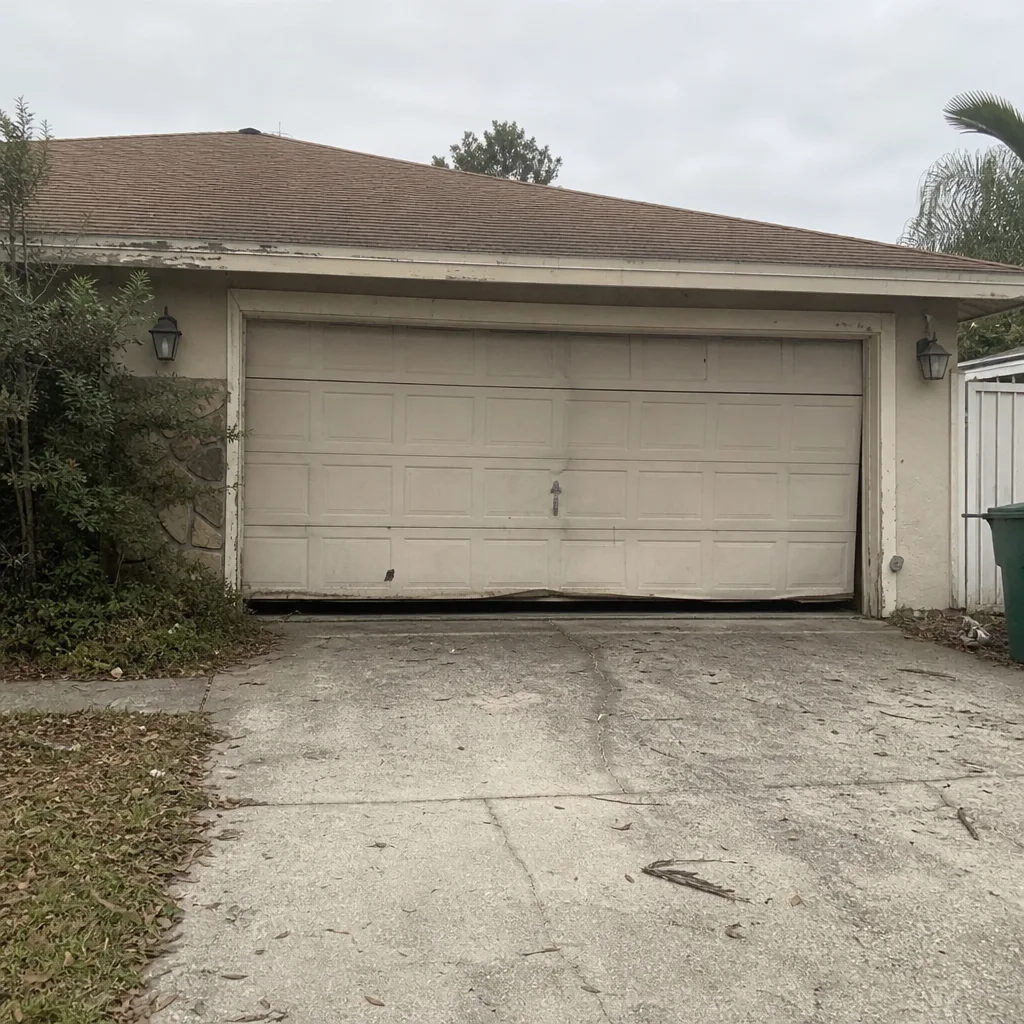
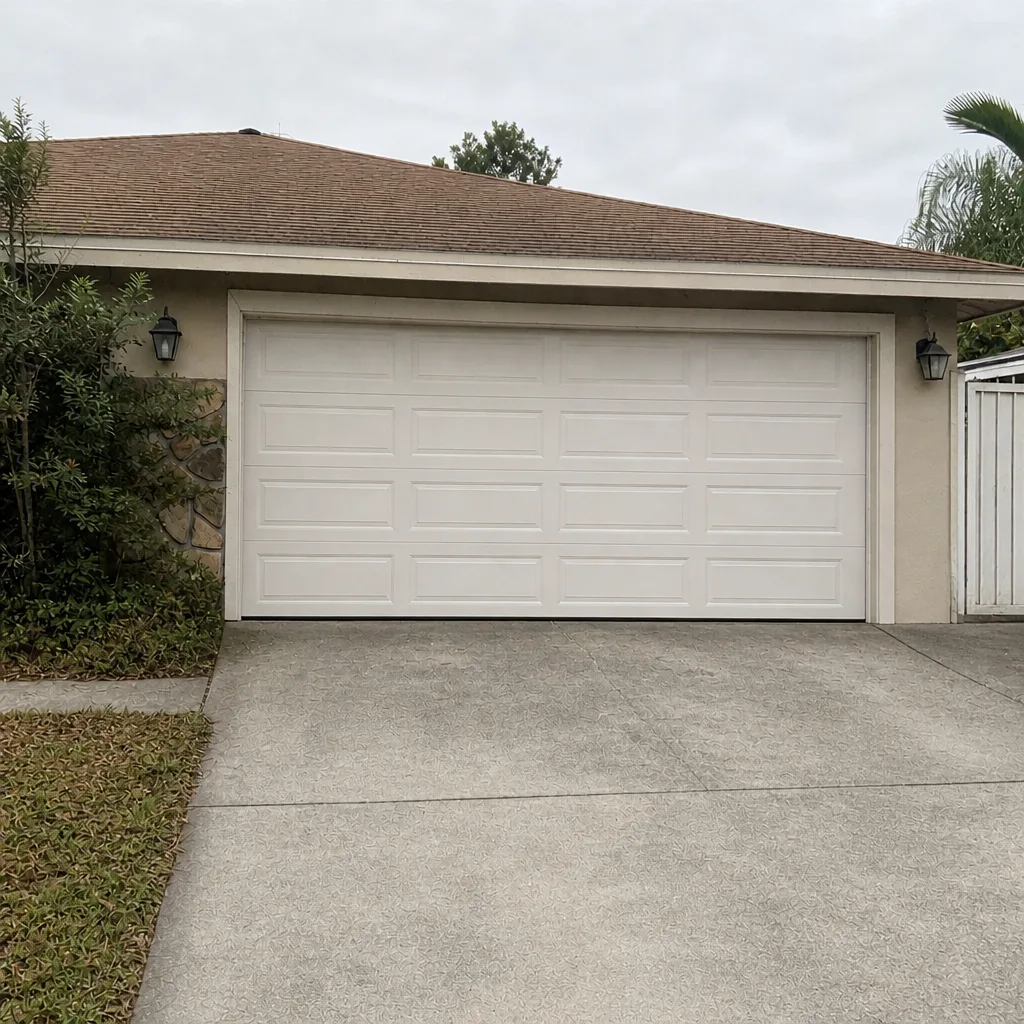
See the difference
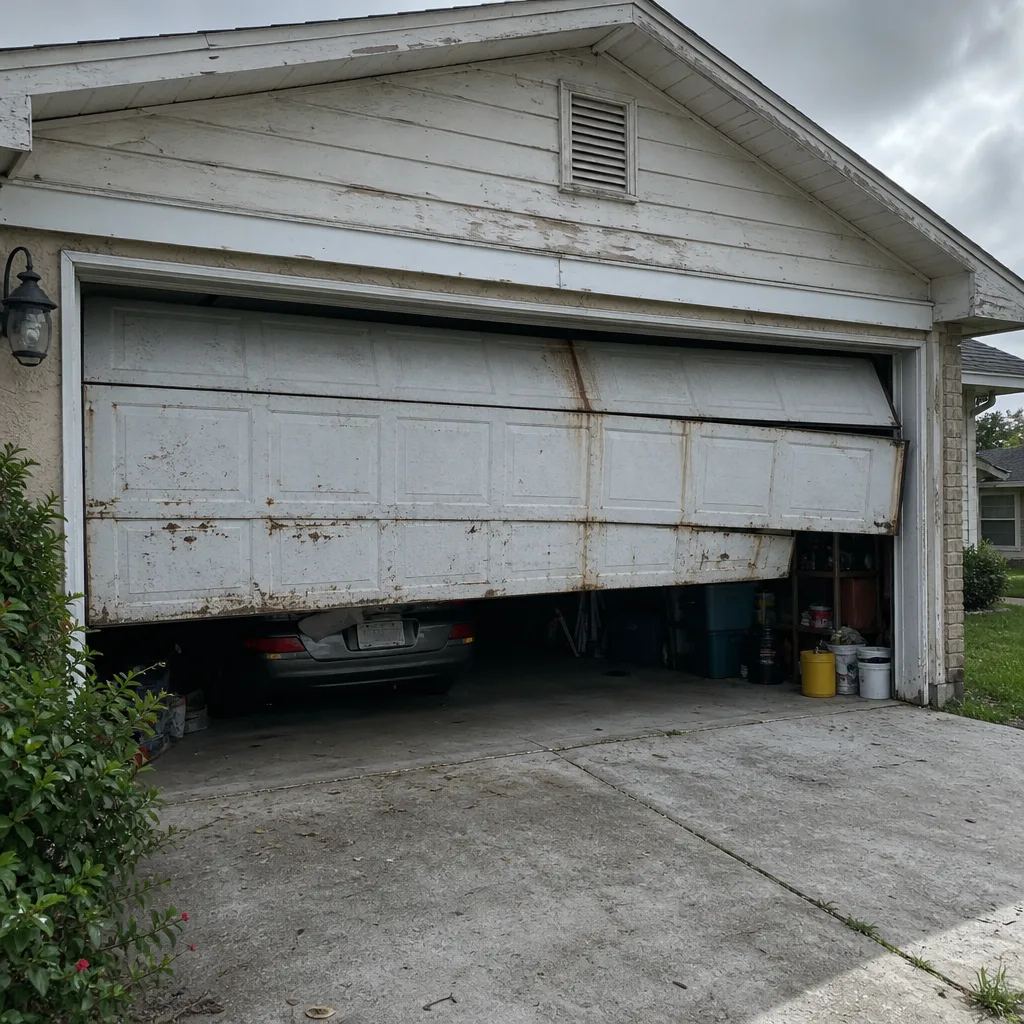 Before
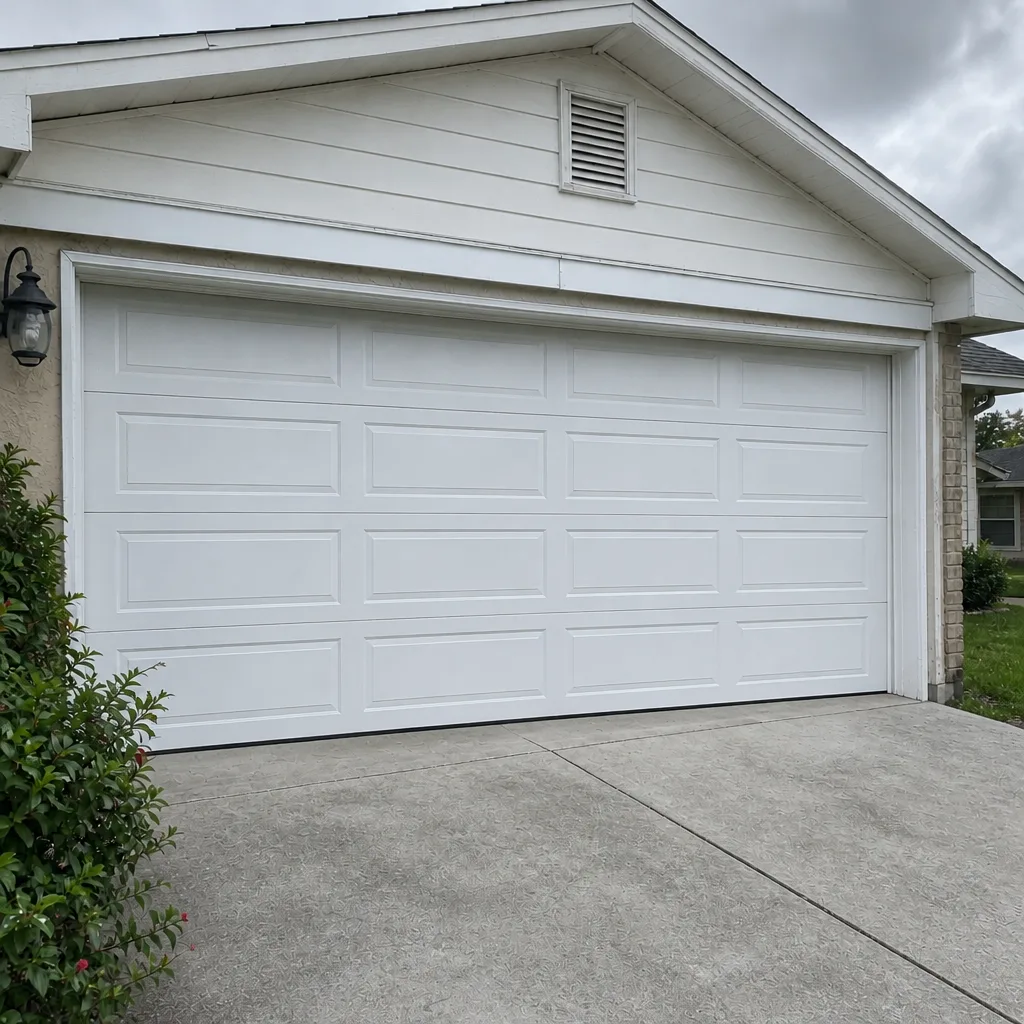 After
 Before
 After
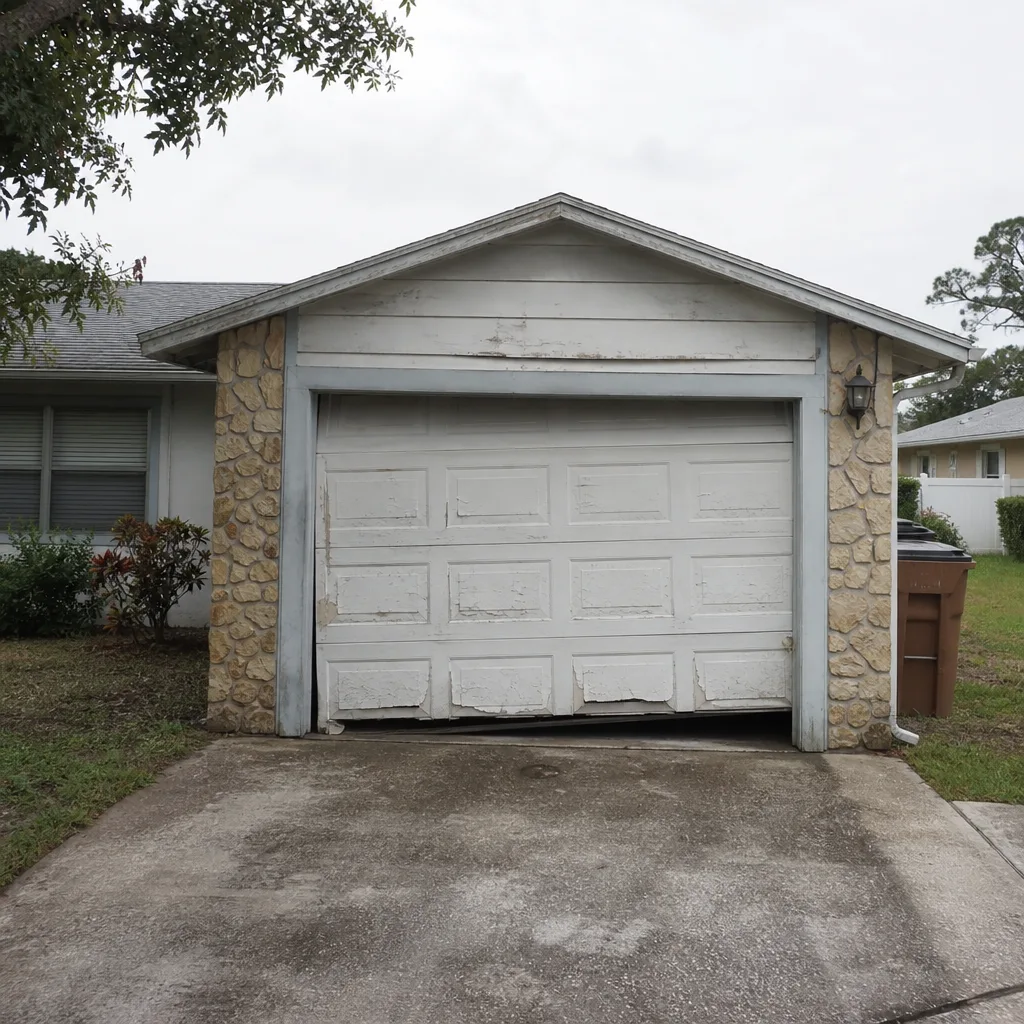 Before
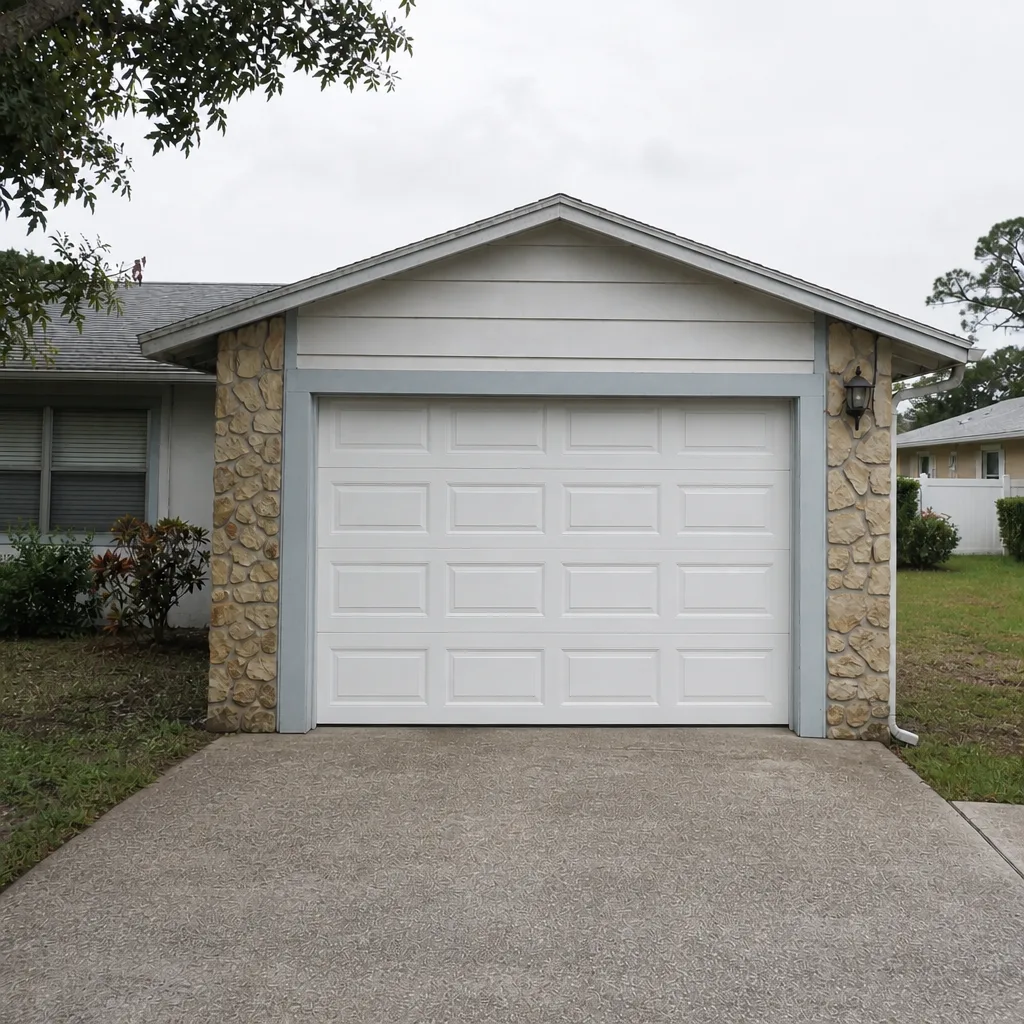 After
When to Call a Professional
Call a professional any time the door itself is involved. Springs under tension can cause serious injury, and cables and torsion assemblies are not a DIY project. Opener electronics hooked up wrong can be a fire hazard, and any garage door wired or installed to less than code is a problem at inspection time. If the door won’t open, won’t close, hangs crooked, or makes a sound you don’t recognize, get it looked at before you cycle it again. The same rule applies if your file has an open permit and you’re about to sell. Daytona Beach Garage Door Repair Co offers free estimates in Daytona Beach. Call (888) 848-8460. We answer 24/7. Fast dispatch from 7am to 7pm, Sunday through Friday.
Frequently Asked Questions
Usually yes. Under the Florida Building Code, a garage door is a wind-rated envelope component, so a full replacement in Daytona Beach and Volusia County typically requires a permit and a final inspection. Straight repairs almost never do. Confirm with the building department for your address. Call (888) 848-8460 for a free estimate on the door work itself.
Search by parcel number or address on the Volusia County online permit portal, then review the status and inspection history for any door-related permits. A closed permit with a final inspection recorded is what you want to see. If anything is unclear, ask the building department directly. Call (888) 848-8460 if you need the door work done or repaired as part of sorting out the record.
Yes. A permitted door replacement is not closed out until a final inspection is recorded. The inspection confirms the door’s rating matches the permit, the hardware is rated for the same loads, and the installation matches the manufacturer’s instructions. Until the final passes, the permit sits open on the property record. Call (888) 848-8460 for help with the door repair or installation scope before inspection day.
It can. Florida carriers often review permits when a wind-rated envelope component is part of a claim, and an unpermitted or open permit can trigger additional review or re-inspection before the claim is resolved. Whether it affects your specific policy depends on the carrier and the coverage – ask your agent. Call (888) 848-8460 for a free estimate if the door needs repair before the next storm season.
No. Spring repair, cable replacement, roller and hinge work, and opener repair are treated as maintenance, not construction, and don’t require a permit in Daytona Beach or Volusia County. The permit question only enters when the door itself is being replaced or the opening is being changed. Call (888) 848-8460. We answer 24/7, with fast dispatch from 7am to 7pm, Sunday through Friday.
Yes, and you should. The Volusia County permit portal is public. Search the property by parcel number or address and review every door-related permit, its status, and its inspection history before you make an offer. If a permit is open or missing, ask the seller to resolve it – or ask the building department what’s required. Call (888) 848-8460 if any door repair is needed as part of the purchase.
The Bottom Line
The permit question isn’t complicated once you know where the line is. Full door replacements in Daytona Beach and Volusia County generally need a permit because the code treats the door as a wind-load-rated building component. Spring, cable, opener, and hardware repairs typically don’t. Check your address on the Volusia County portal, make sure any replacement door carries the design pressure your opening requires, and confirm the installation matches the manufacturer’s instructions before inspection day. The paperwork follows the work – so get the work right, then keep the record clean. When you need the door fixed, our technicians have up to 13 years of experience with LiftMaster, Chamberlain, Genie, and Clopay systems among others. Call (888) 848-8460 for a free estimate. We answer 24/7. Fast dispatch from 7am to 7pm, Sunday through Friday.
Written by the team at Daytona Beach Garage Door Repair Co.