
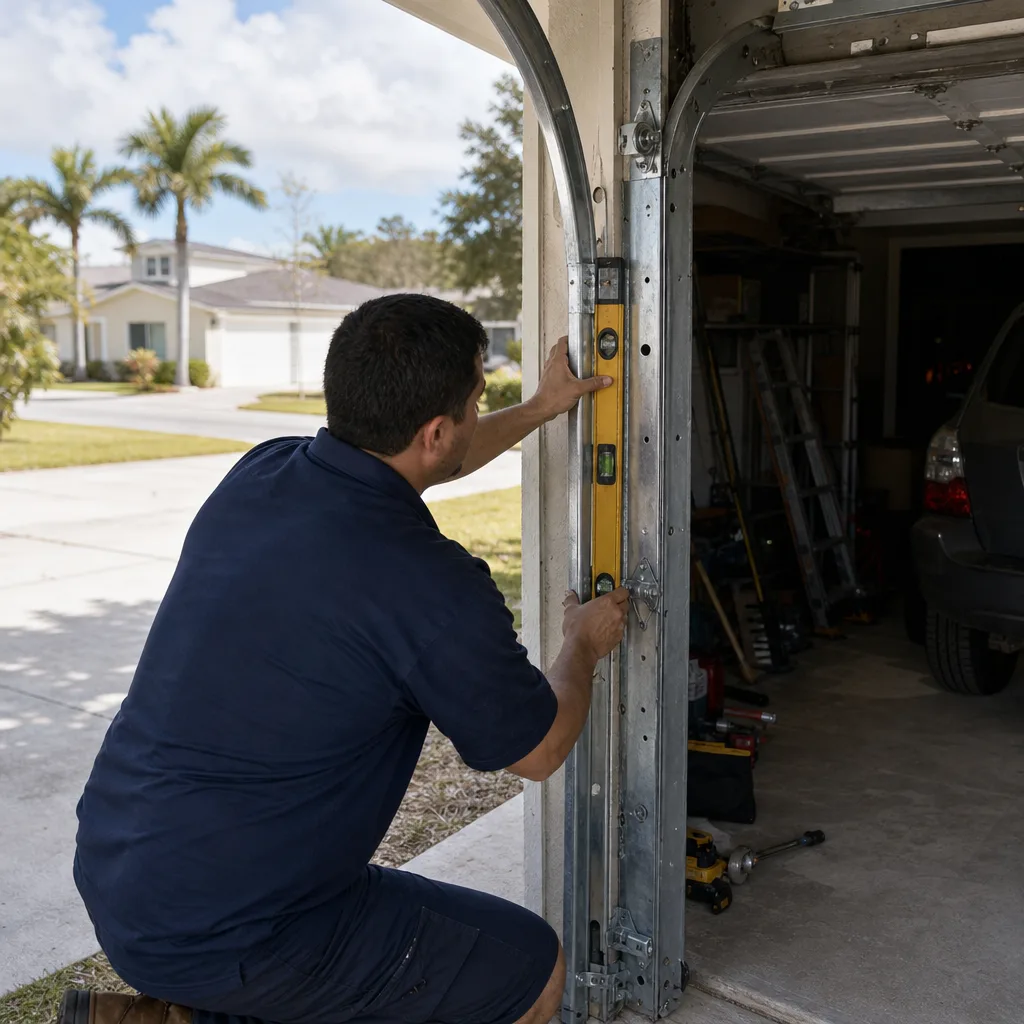
Last updated November 20, 2026
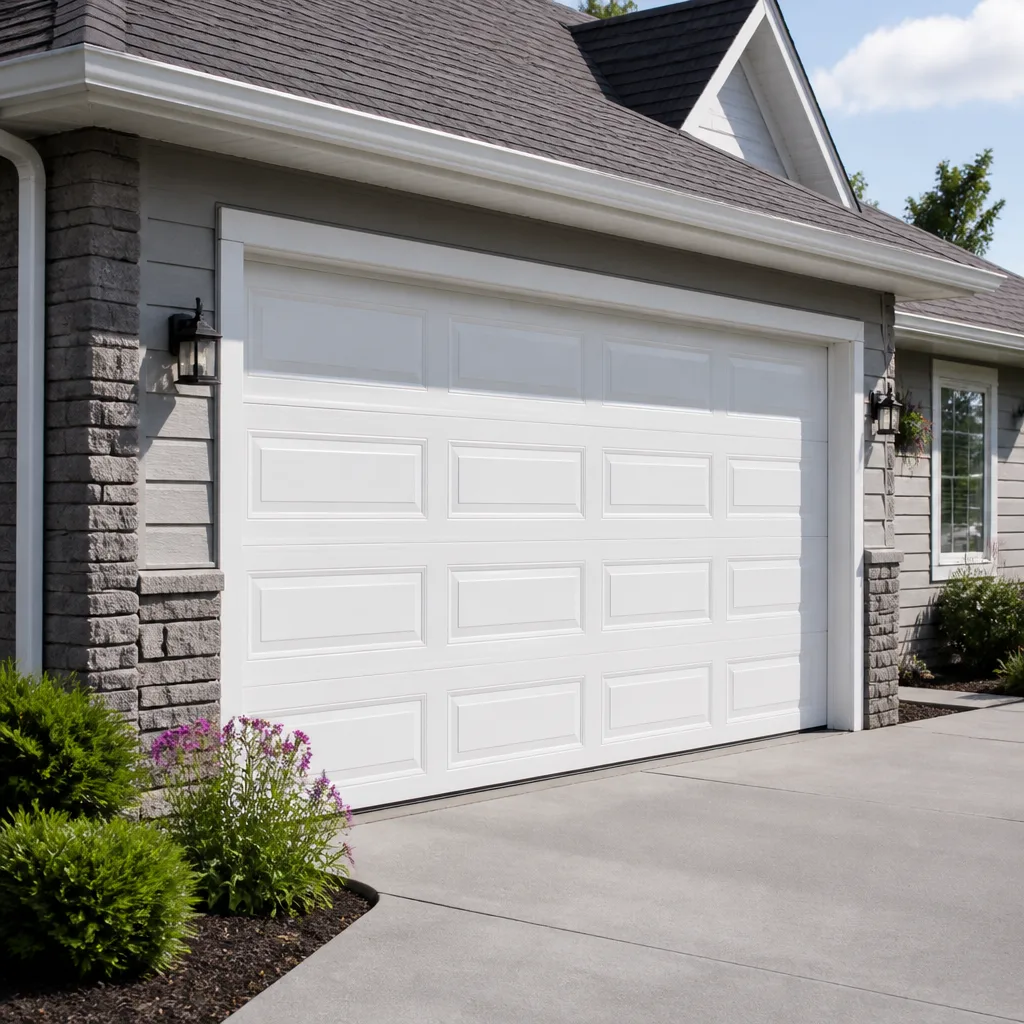 Raised-panel steel
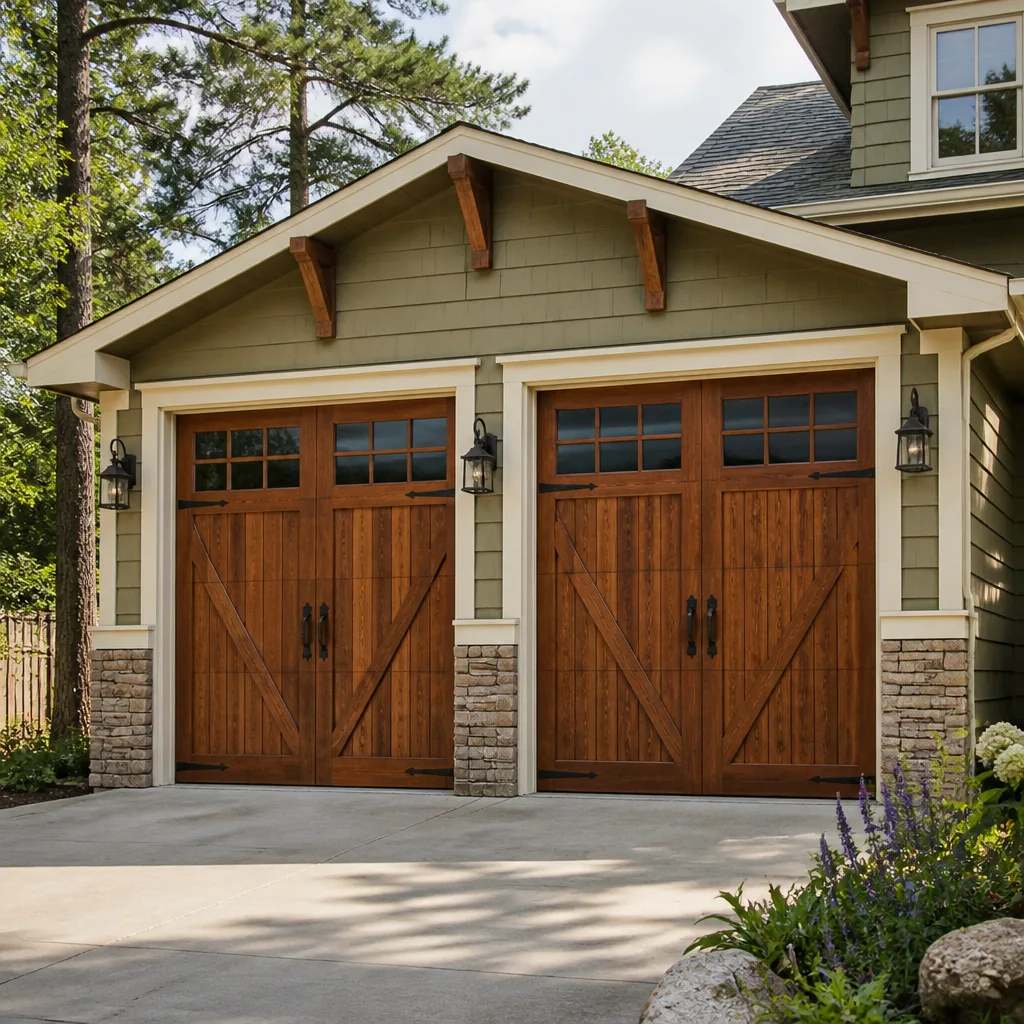 Carriage house
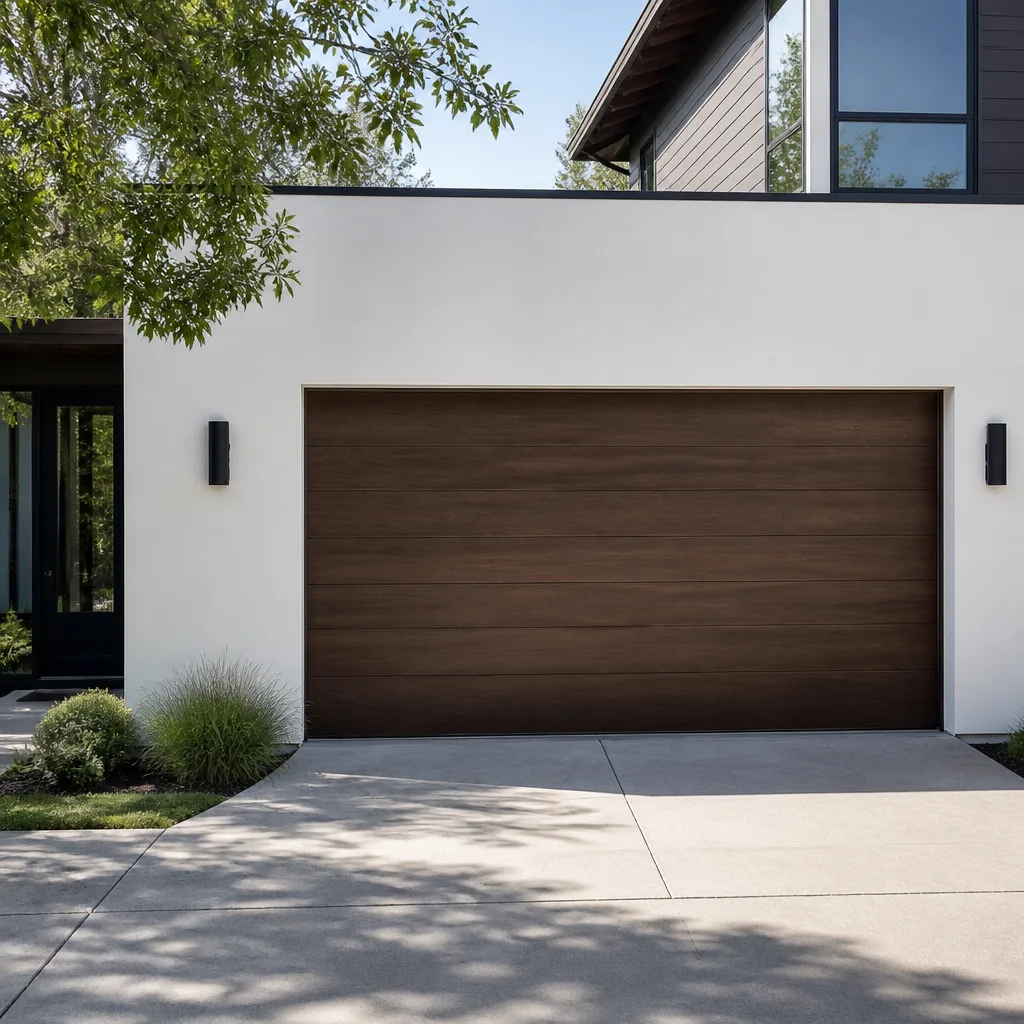 Modern flush
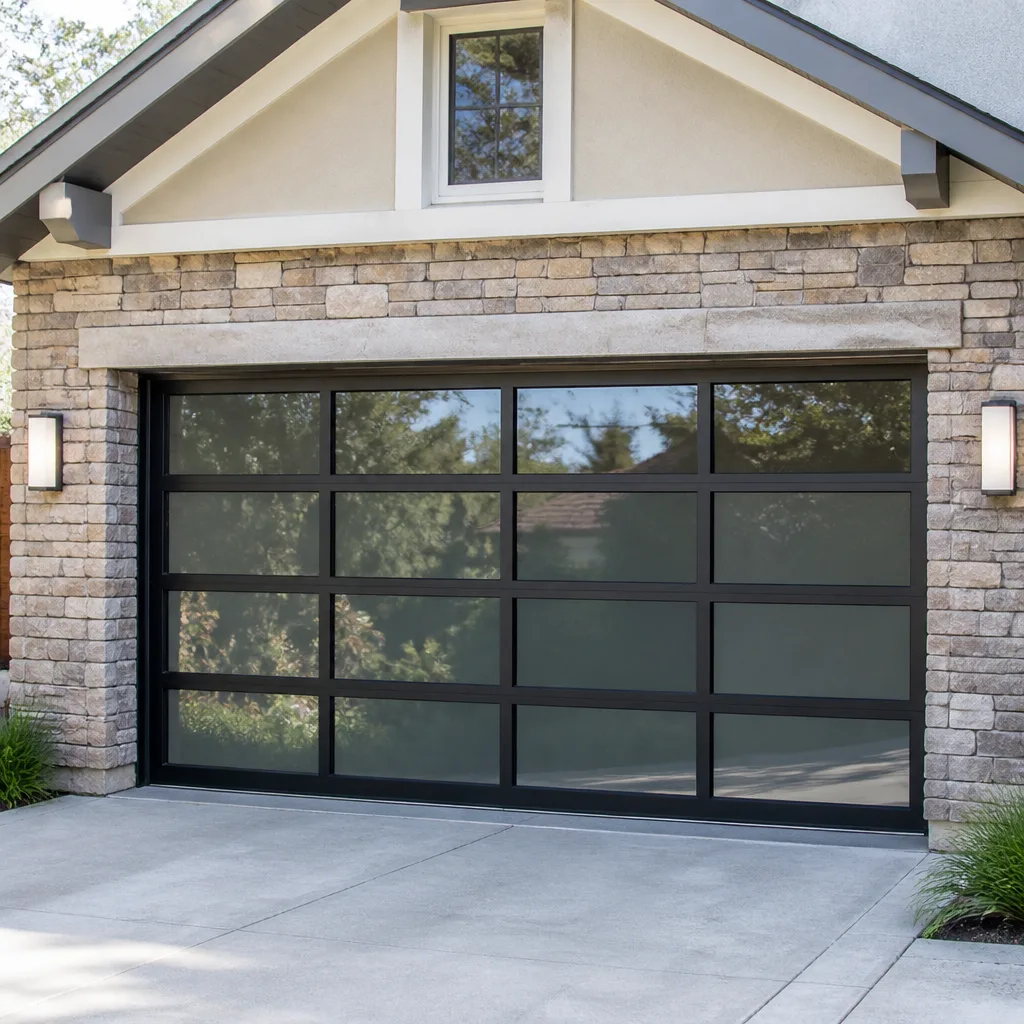 Full-view glass
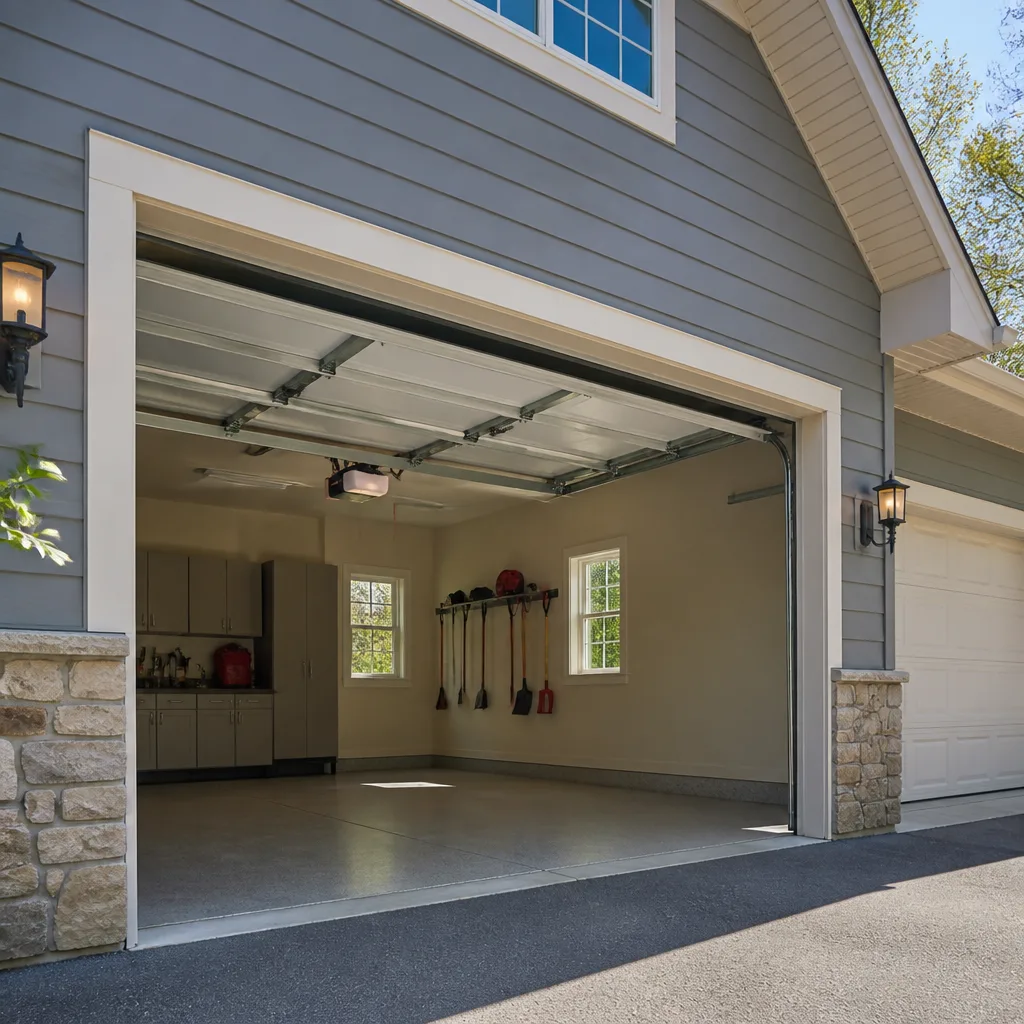 LiftMaster openers
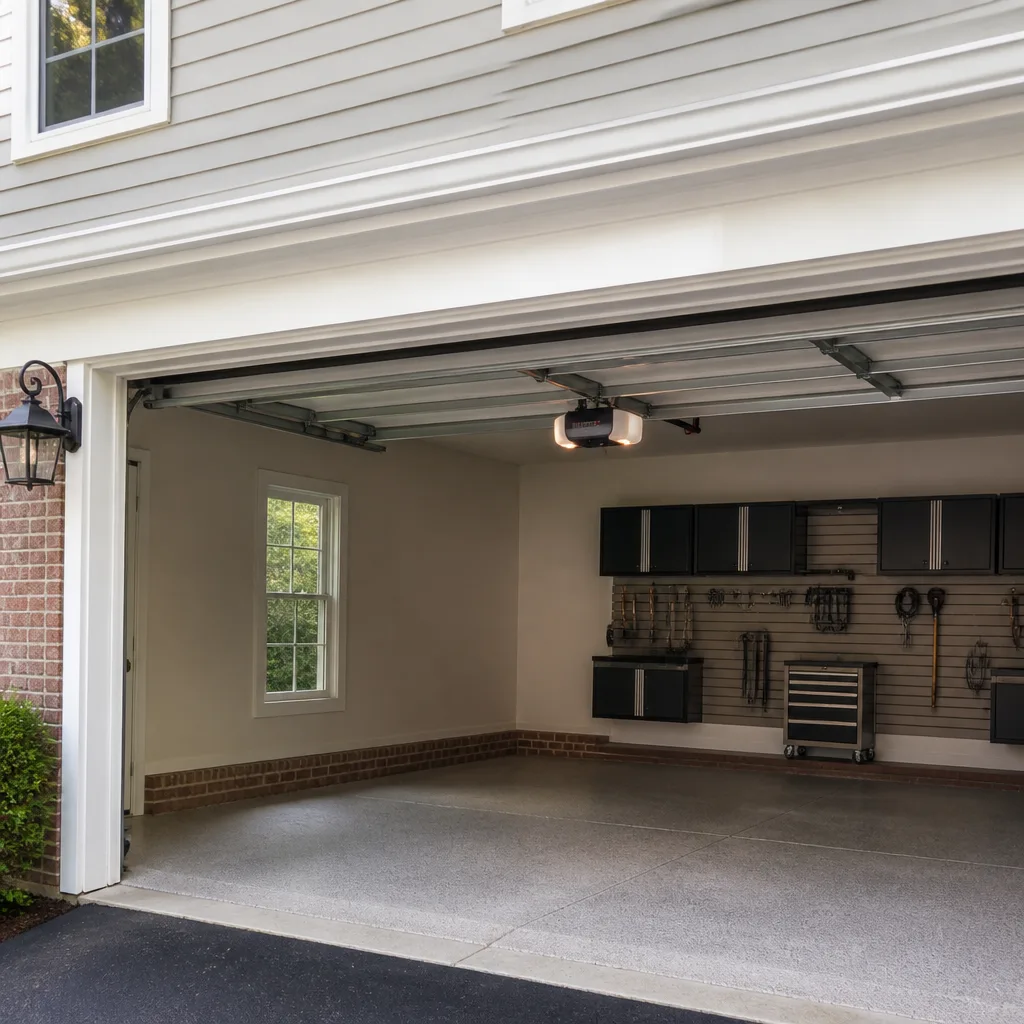 Chamberlain openers
Full 25-point door and opener safety check with every visit - springs, cables, rollers, tracks, and your LiftMaster or Chamberlain opener included
You get a price before we start. It does not change when the pro arrives.
Get your free estimateThe Complete Guide to Garage Doors in Daytona Beach
Most garage door guides are written as if every house sits in a dry, inland suburb where the air is gentle and the building code is an afterthought. Daytona Beach is neither of those things. A steel door finished with a standard factory coating and installed a mile from the Atlantic will start showing rust at the bottom section long before its hardware wears out, and a door that passed wind-load review in another state may not satisfy Volusia County’s code requirements at all. Material choice, finish, spring lifespan, and even which door styles fit a Florida roofline all shift when the climate and the code change. This guide walks through what actually matters for a garage door in Daytona Beach, from picking a material to reading a property record. You’ll finish knowing what to look for, what to avoid, and when a repair beats a replacement.
Quick Answer
A garage door in Daytona Beach needs a corrosion-resistant finish, hardware rated for the local wind-load requirements, and a maintenance rhythm tuned to high humidity, which wears springs, cables, and opener parts faster than the national average. Choosing the right material and finish up front saves the most money, and most problems homeowners face come from skipping maintenance or installing a door that was never right for the coast in the first place.
Styles & brands we work with
- Raised-panel steel
- Carriage house
- Modern flush
- Full-view glass
- LiftMaster openers
- Chamberlain openers
Table of Contents
- How Salt Air Affects Your Garage Door
- Florida Building Code and Volusia County Wind-Load Rules
- The Door Styles That Fit Daytona Beach Homes
- How Long Springs, Cables, and Openers Last Here
- A Maintenance Routine That Actually Works
- How to Read a Volusia County Property Record
- Repair or Replace? How to Decide
- Garage Door Safety Basics
How Salt Air Affects Your Garage Door
Salt air is the single biggest reason garage doors in Daytona Beach age differently from doors in Atlanta or Phoenix. The ocean doesn’t need to be visible from your driveway to affect the metal. Airborne salt settles on the door’s surface, works into seams and hinges, and accelerates rust wherever the finish has thinned or been scratched. Within a mile of the Atlantic the effect is dramatic; even several miles inland it’s still a real factor. The good news is that door materials and finishes handle this very differently, so the choice you make up front determines how long the door holds up.
Galvanized steel vs. aluminum
Galvanized steel is the most common garage door material in the U.S., and it’s the standard for a reason: it’s strong, affordable, and takes a wide range of finishes. The catch is that the zinc coating on galvanized steel is sacrificial. It protects the steel beneath it, but it wears away over time, and salt air speeds that up. A steel door with a heavy factory finish and regularly maintained paint will last well, but a bare or thin-coated steel door will show rust at the bottom panel first, because that’s where moisture and salt concentrate.
Aluminum doesn’t rust the way steel does. It corrodes, but the oxide layer that forms is stable and doesn’t flake or spread. That makes aluminum doors a genuinely smart choice for coastal conditions. Aluminum is lighter than steel, so it also puts less stress on springs and openers. The tradeoff is that aluminum dents more easily than steel and generally costs more up front. In our experience, for homes closer to the ocean, aluminum is often the better long-term investment, while a properly finished steel door works well for homes further inland.
Finish matters more than material
Whichever material you choose, the finish does the heavy lifting. A powder-coated or factory-baked finish holds up far better than field-applied paint over a bare substrate. If the finish is scratched or scuffed, touch it up promptly, because a small exposed spot becomes a rust ring in coastal conditions. Ask specifically about the finish’s salt-spray rating and whether it’s warranted for coastal installation. Some finishes are rated for marine environments; most standard finishes aren’t. That’s a question worth asking before you sign.
Hardware and hinges
The door isn’t only the panel. Hinges, rollers, tracks, and fasteners also corrode. Stainless steel or heavily coated hardware lasts noticeably longer in salt air. When you’re comparing quotes, look at the hardware spec, not just the door. On existing doors, a technician can swap out corroded hinges and rollers as part of routine service, which is far cheaper than replacing panels.
Florida Building Code and Volusia County Wind-Load Rules
Wind-load requirements are the other big reason a garage door that was fine elsewhere may not be code-compliant here. Florida Building Code sets minimum wind-load ratings that a garage door and its mounting hardware must meet, and Volusia County enforces those rules through its building department. Wind-load requirements vary by location, so the specific rating your door needs depends on where your home sits, not on a single number that applies everywhere. The practical effect is that door weight, panel design, and hardware options are all narrowed once you account for wind-load compliance.
Why wind-load requirements narrow your choices
A door rated for a higher wind load is heavier and more heavily braced. That means stronger tracks, thicker hinges, and heavier springs to counterbalance the added weight. Some lighter door styles and panel designs simply don’t have a code-compliant version for the higher wind zones, so your list of acceptable doors gets shorter. This is why a quote that ignores wind-load ratings can look cheaper than it really is. If the door doesn’t meet the required rating, it fails inspection, and you end up buying twice.
What to confirm on any quote
- Wind-load rating that matches what the county requires for your address.
- Design pressure documentation for the specific door model, not just a generic claim.
- Hardware matched to the door’s rating, including tracks and hinges.
- Permit responsibility stated in writing. Ask the city’s building department what your project requires.
Existing doors and older installs
Many homes in Daytona Beach have doors installed before current wind-load requirements were tightened. An older door isn’t automatically unsafe, but it may not meet today’s standards, and a repair on a non-compliant door should account for that. If you’re replacing, the new door has to meet current requirements. If you’re repairing, it’s worth asking whether the existing setup still meets what the county expects. We can help you understand what the current requirements mean for your specific door. Our garage door repair team works with local contractors on the compliance side of these jobs regularly.
The Door Styles That Fit Daytona Beach Homes
Three door styles dominate Daytona Beach’s housing stock, and one common style creates real problems with Florida roof pitches. Knowing which style fits your home, and which to avoid, keeps you from installing a door that either fights its surroundings or fights the architecture above it.
1. Traditional raised-panel steel
This is the most common garage door in residential America, and it holds that title in Daytona Beach too. The raised-panel design is versatile, available in almost every material and finish, and fits a wide range of home styles. It’s a solid choice if you go with a coastal-rated finish and stainless hardware. Many existing installations locally are traditional raised-panel doors, which makes repair parts easy to source.
2. Carriage-house style
Carriage-house doors mimic the swing-out doors of old carriage houses with decorative hardware and window details. They’ve become popular in newer Volusia County developments and in renovated older homes. They look great and suit the low, wide front elevations common here. The catch is a heavier price point and more hardware to maintain. The decorative hinges and handles do need periodic attention in humid conditions.
3. Contemporary/sectional aluminum
Clean-lined sectional aluminum doors are a favorite for coastal construction because aluminum handles the salt air best. They suit modern and transitional homes and are often the right pick for properties close to the ocean. They typically cost more than steel but hold up longer in the coastal environment.
The style that causes problems: very tall single-panel doors
Very tall single-panel doors, especially on shallow-pitched homes, can cause trouble in Florida. The low roof pitches common in Florida residential architecture leave limited clearance above the garage opening, and a single-panel door that needs to swing or roll up past that opening may run into structural surprises. Sectional doors avoid that problem because they break into smaller panels that track horizontally. If you have a low-pitch Florida roof and you’re considering a single-panel door, get the clearance checked before you commit.
How Long Springs, Cables, and Openers Last Here
High humidity wears down garage door components faster than the national averages. Metal parts corrode, lubricant dries or migrates, and electrical components in openers experience more condensation cycles. Expect springs, cables, and opener parts in Daytona Beach to run at the lower end of the ranges you’d see quoted nationally. Treat the following as planning ranges for good maintenance, not guarantees. Routine service extends them.
Spring lifespan
Torsion springs are rated in cycles, roughly how many times the door opens and closes. In a humid coastal climate the metal fatigue resistance and corrosion resistance degrade faster than the national ranges suggest. A well-maintained spring in Daytona Beach typically serves the lower end of the national range. Spring replacement is a core part of what we do, and our garage door spring repair page covers the cost and process in detail.
Cable and roller lifespan
Cables corrode and fray faster in salt air, and rollers pick up grime that wears the tracks. Since both are relatively cheap parts, service on schedule saves you from cable or roller failures that can strand the door. Read the wear on cables during any service call; don’t wait for a snap.
Opener lifespan
Opener electronics suffer in humidity too. Circuit boards get condensation cycles, and gear assemblies wear from frequent cycling. A well-maintained opener in Daytona Beach typically serves a solid run but on the shorter end of the national average. Our team works extensively with LiftMaster, Chamberlain, Genie, Craftsman, and Raynor opener brands, so diagnosis and parts sourcing are straightforward. If your opener is failing, our garage door opener repair service covers the electronics, not just the mechanical parts.
Door panel lifespan
A properly finished steel door should deliver a long service life, but the finish is the limiting factor in coastal conditions. Aluminum panels can outlast steel in salt air. This is why material and finish choice made at installation matter more than any single repair decision.
A Maintenance Routine That Actually Works
Most garage door failures start as maintenance that was never done. In Daytona Beach’s humidity, maintenance matters more than in drier climates because corrosion and lubricant degradation happen faster. Here’s a routine that covers the basics without requiring you to touch anything dangerous.
Monthly
- Look (don’t touch) at the springs above the door. Inspect for visible rust or a gap in a torsion spring.
- Check the door’s balance by disconnecting the opener and lifting the door halfway by hand. It should stay put. If it won’t hold, the springs need attention.
- Look at the safety reversing system. Put an object in the door’s path and confirm the door reverses. If it doesn’t, stop using the opener until it’s serviced.
Every few months
- Wipe down the panels and touch up any scratches or chips in the finish. In salt air, an exposed spot becomes a rust ring quickly.
- Check the hinges and rollers for visible corrosion and replace or re-coat as needed.
- Clear dirt and debris from the tracks. Don’t oil the tracks themselves; clean them and lubricate the rollers and hinges instead.
Yearly
- Have the opener, springs, cables, and hardware inspected by a garage door specialist.
- Check the door’s wind-load hardware and confirm nothing has loosened over the year.
- Review the finish and plan any refinishing before corrosion sets in.
If anything above involves the springs or the tension system, don’t try to fix it yourself. Springs are under high tension and can cause serious injury if a homeowner tries to work on them. Call a trained technician instead. Read more about how our team approaches safety at our Daytona Beach Garage Door Repair Co home page.
How to Read a Volusia County Property Record
One of the most useful, least-known moves in buying or repairing a garage door in Daytona Beach is checking whether a previous owner pulled the permit. If the door was installed without a permit, you may be dealing with a code-compliance problem from day one. Volusia County property records are public, and you can use them to confirm whether the door was permitted at installation. Here’s how to check.
1. Find your property record
Pull up your property on the Volusia County property appraiser’s website. You’ll typically find the parcel record and any permit history in one place. Search by address or parcel number.
2. Look for garage door permits
Search the permit history for anything related to garage doors or garage work. A permitted door install leaves a paper trail. What you’re hoping to find is a permit with a final inspection, not just a permit application.
3. Confirm the inspection was signed off
A permit that was never inspected or closed out doesn’t give you the comfort of a compliant installation. If the permit exists but has no final sign-off, treat the door’s compliance as unverified.
4. Note the date and match it to the door
Match the permit date to the door’s age. If the permit is older than the door, the door was likely replaced without a permit. If there’s no permit at all and the door is newer than the house, that’s another red flag.
5. Talk to the building department
If something looks off, call Volusia County’s building department and ask what your next step should be. We can’t tell you what your record shows, but we can help you understand what a compliant install requires. Make the call before you buy or before you commit to a door replacement.
Repair or Replace? How to Decide
Homeowners in Daytona Beach face this question regularly. The instinct is often to replace, but most door problems are repairs. Here’s how to decide, using repair-first logic.
Almost always a repair
- Broken spring. Springs fail on a predictable schedule. Replacing them is a repair, not a replacement decision. A pair of springs is the standard fix.
- Opener issue. Dead opener, broken gear, bad sensor, or a remote that won’t sync. Opener repairs cover all of these.
- Off-track or noisy door. Track alignment, roller replacement, or hinge work handles most of these.
- Rust spots on the bottom panel. Often a refinish and hardware swap is enough, though badly corroded panels need panel replacement.
Sometimes a replacement
- The door isn’t wind-load compliant and the county requires compliance.
- Multiple panels are rusted through and refinishing won’t hold.
- The door has structural damage from a rogue impact, and panel replacement costs as much as a new door.
- You want to upgrade to aluminum for the long-term coastal benefit.
The key is to get a professional diagnosis before deciding. A door that looks terminal often isn’t. Our focus is repair first. We’re not a sales shop, so if a repair will get you another several years, that’s the answer we’ll give. Swing open the topic with a call. If the door is in Daytona Beach, we can help you see the whole picture, not just the broken part.
Garage Door Safety Basics
Garage doors have several genuinely dangerous components, and the most dangerous is the spring. A torsion spring holds hundreds of pounds of tension. A homeowner attempting to adjust or remove one risks serious injury. Our rule is simple: springs and cables are for trained technicians, not for weekend projects. That’s not a hard sell. It’s a safety fact.
What to leave alone
- Springs. Torsion and extension springs both carry high tension. Never attempt adjustment or removal.
- Cables. Cables are under tension and can lash out if they snap.
- Tracks and brackets. The brackets hold the track under load. A misadjusted bracket under tension can move violently.
- Opener wiring. If the opener needs electrical work, use a licensed technician. Don’t mess with the wiring.
What you can safely check
- The safety reversing system (put an object in the path and confirm it reverses).
- The manual release handle, which should work smoothly.
- Visible corrosion on hinges and rollers.
- The door’s overall balance, only after disconnecting the opener.
When something feels wrong
A door that slams, bangs, or won’t close cleanly is a sign something is off. Don’t keep running it. Call a specialist. A technician can diagnose the issue and get you back up and running today without you risking your safety.
Common Mistakes to Avoid
- Installing a standard steel door without a coastal-rated finish. It’ll look fine for a season, then rust shows up at the bottom panel first. Ask about the finish’s salt-spray rating before you buy, and check the warranty for coastal installation.
- Ignoring wind-load requirements. A door that doesn’t meet the county’s requirement fails inspection and you buy twice. Confirm the rating on the door and the hardware, and get the permit in writing.
- Skipping maintenance because “it’s just a garage door”. In Daytona Beach humidity the components wear faster than you’d expect, and a routine service call is far cheaper than a cascade of repairs.
- Lubricating the wrong parts. Oil on the tracks attracts dirt. Lubricant belongs on the rollers, hinges, and springs (when a technician does it), not the tracks.
- Buying a door without checking clearance. A low Florida roof pitch limits what fits above the opening. A single-panel door that needs more vertical clearance can run into structural surprises.
- Replacing a door when a repair will do. Spring, opener, and track problems are repairs. Get a professional diagnosis before you commit to a replacement.
- Not checking the permit history. A previous owner may have installed the door without a permit. Reading a Volusia County property record saves you headaches before you buy.
See the difference
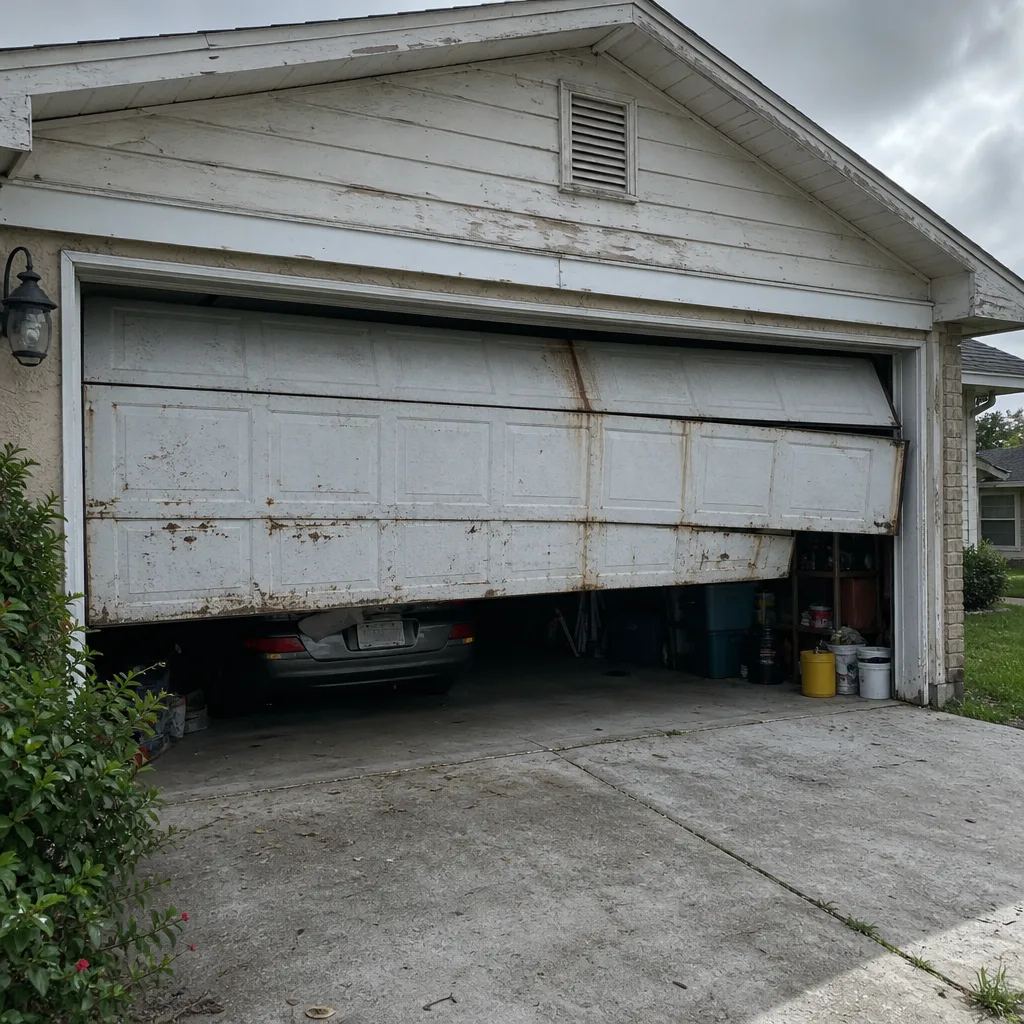 Before
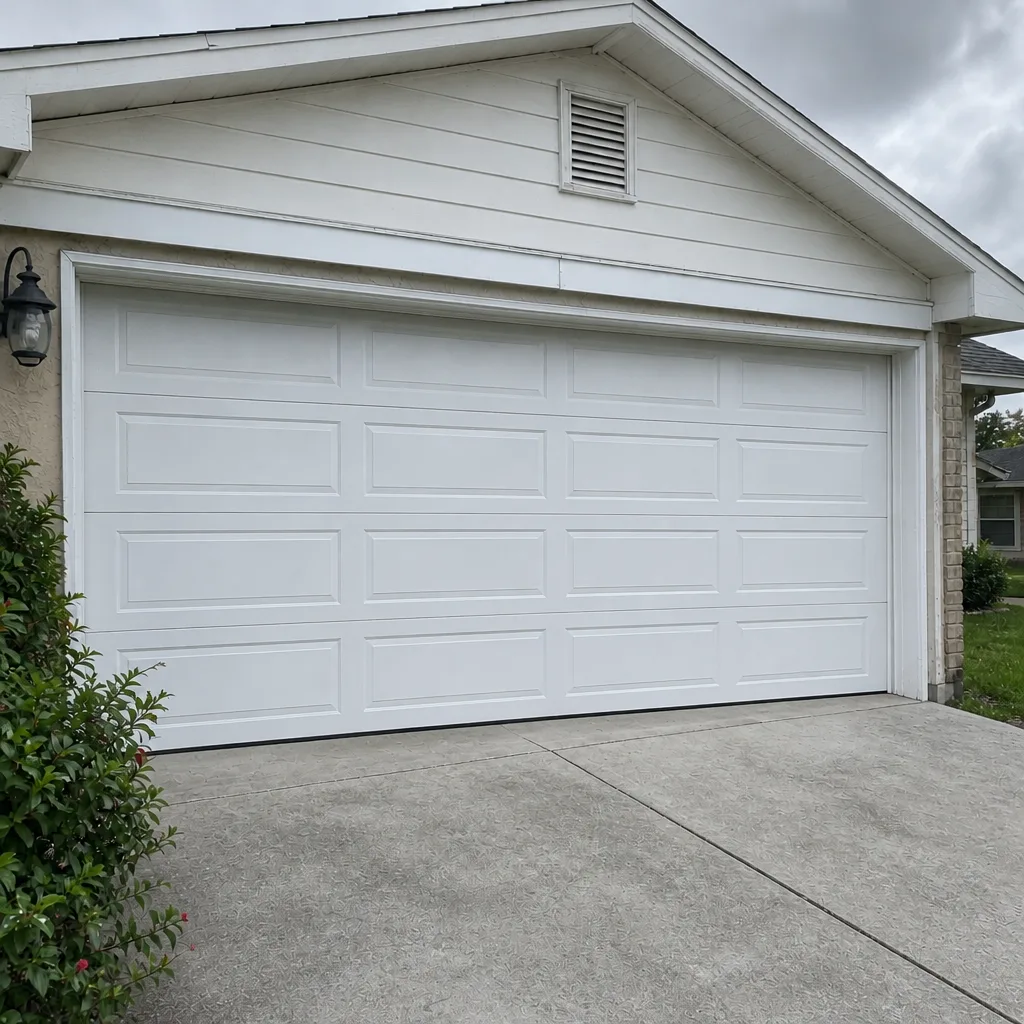 After
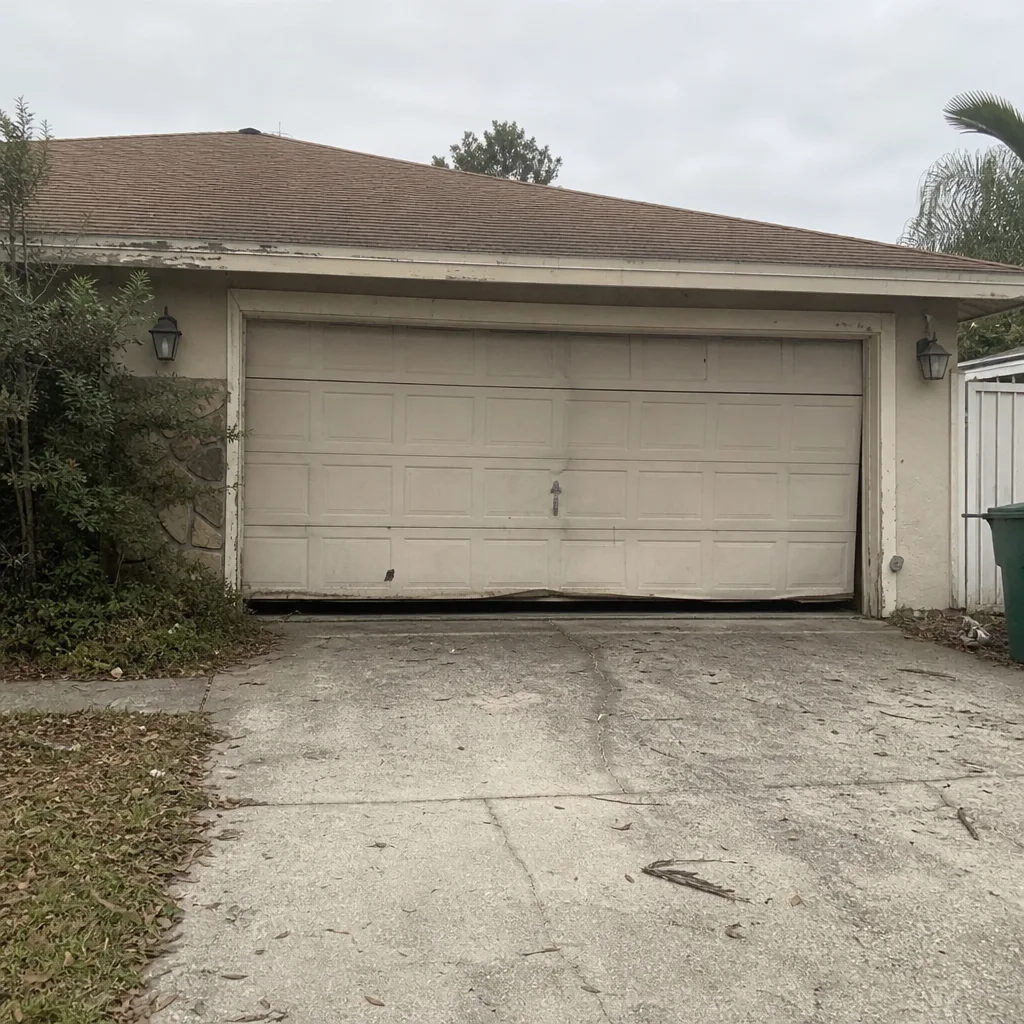 Before
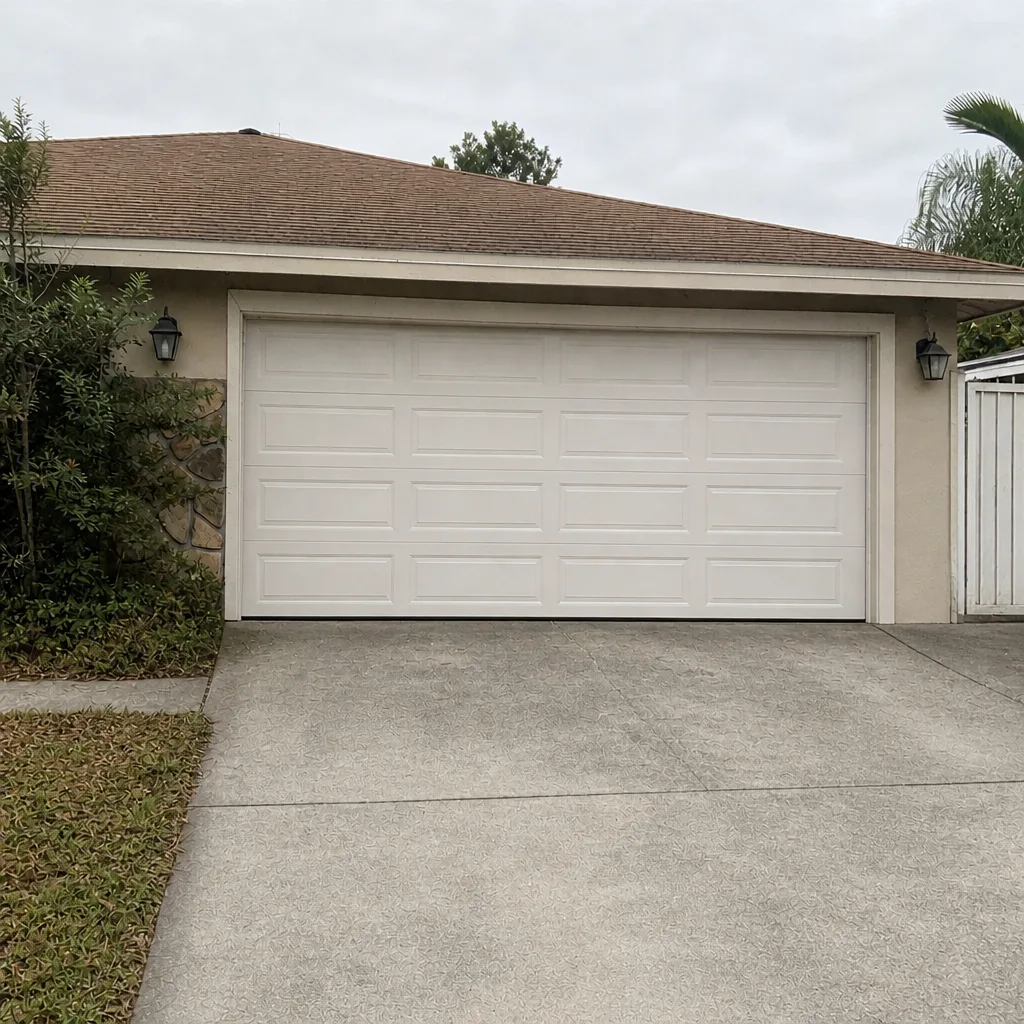 After
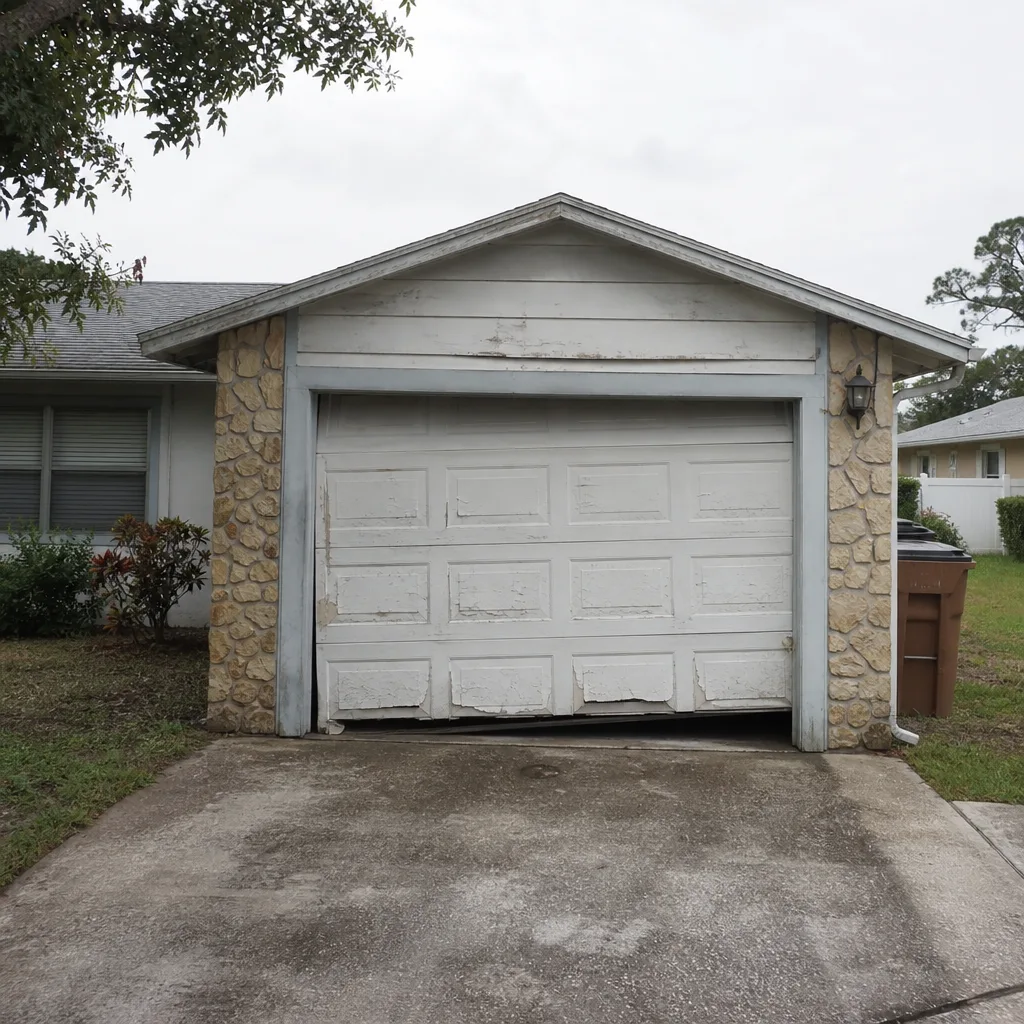 Before
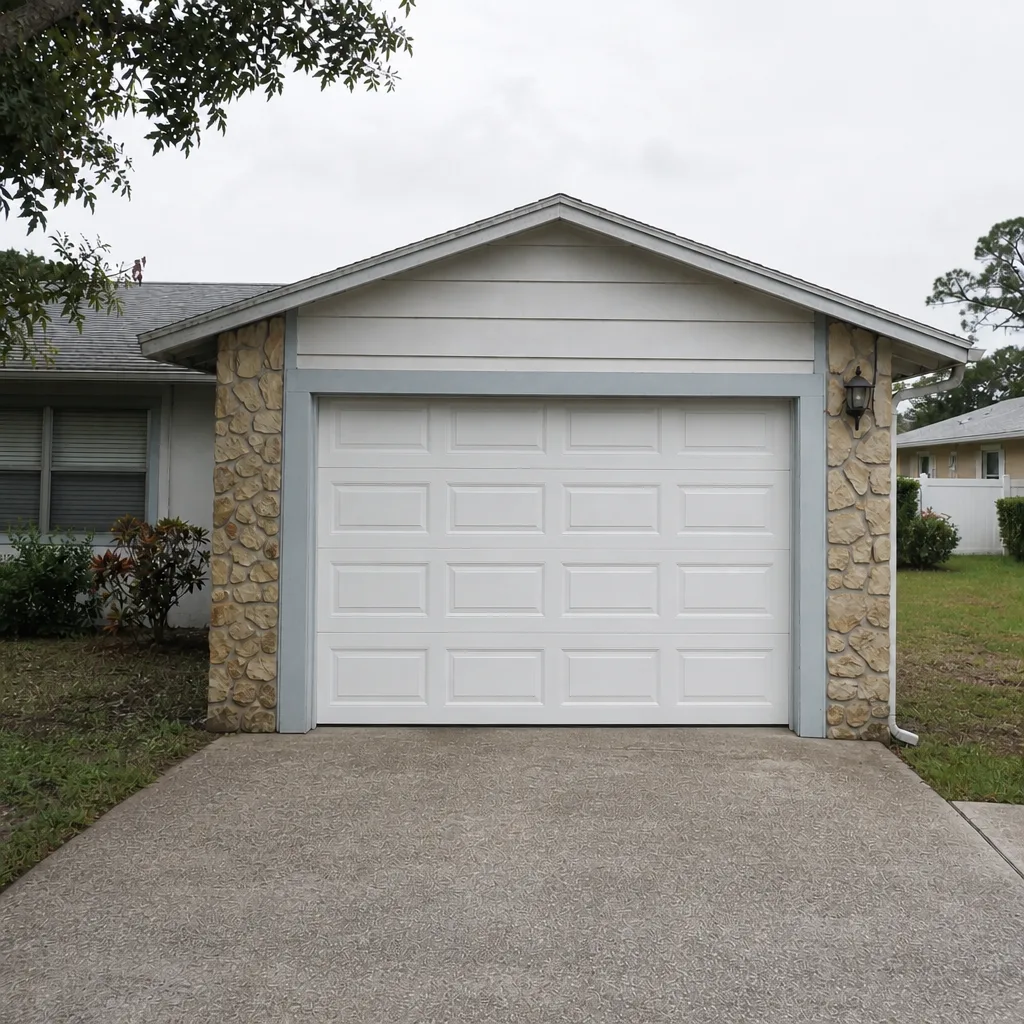 After
When to Call a Professional
Some garage door problems are for a trained technician and some aren’t. Call us if a spring has broken, the door won’t open or close, the opener is dead or acting up, the door is off the tracks, or you hear a loud snap followed by the door refusing to move. Springs and cables are genuinely dangerous, and the small savings from trying to handle them yourself aren’t worth the risk. Routine maintenance in Daytona Beach’s humidity is worth a call too. Our technicians have up to 13 years of experience, covering LiftMaster, Chamberlain, Genie, Clopay, Amarr, Wayne Dalton, Craftsman, and Raynor. Daytona Beach Garage Door Repair Co offers free estimates in Daytona Beach. Call (888) 848-8460 to set up a visit. We answer 24/7.
Frequently Asked Questions
Spring replacement typically costs between $180 and $340 per spring, and a matched pair is usually replaced together, so a pair costs about twice that. The written estimate sets the final price, and the quote is agreed before any work starts. Call (888) 848-8460 for an exact quote – estimates are free.
Springs typically last the lower end of the national range in Daytona Beach because humidity and salt air wear the metal faster. A well-maintained spring in this climate serves a solid run, but routine inspection is worth it so you don’t get surprised by a snap. Call (888) 848-8460 to schedule a spring inspection.
Yes, same-day service is available for most repairs. We answer 24/7, and crews are dispatched fast from 7am to 7pm, Sunday through Friday. Call (888) 848-8460 to book a visit.
Often yes, especially where wind-load compliance is involved. Your best move is to ask Volusia County’s building department what your specific project requires, because the rules depend on the scope and location. We can help you understand the compliance side. Call (888) 848-8460.
No. The written estimate is the price, agreed before any work starts. If we find something during diagnosis that changes the scope, we’ll come back to you with a revised estimate before continuing. Call (888) 848-8460 for a free estimate.
Yes. The technicians who perform the work are trained and experienced, and we only work with professionals who are licensed and insured as their state requires. Our technicians have up to 13 years of experience. Call (888) 848-8460 for details.
Most likely yes. We work on LiftMaster, Chamberlain, Genie, Craftsman, and Raynor opener brands, which covers the vast majority of openers homeowners actually own. If you have a different brand, call (888) 848-8460 and we’ll let you know.
The Bottom Line
Garage doors in Daytona Beach are shaped by the coast, the code, and the humidity. Material and finish choice made at installation determines whether a door holds up or rusts out. Wind-load requirements narrow your options, and skipping them costs you a second purchase. Springs, cables, and openers wear faster here than in drier climates, so a maintenance routine pays off in repair savings. When something does break, a repair-first specialist gets you back up and running faster than a sales shop. Call (888) 848-8460 for a free estimate. We answer 24/7. Fast dispatch from 7am to 7pm, Sunday through Friday.
Written by the team at Daytona Beach Garage Door Repair Co.